





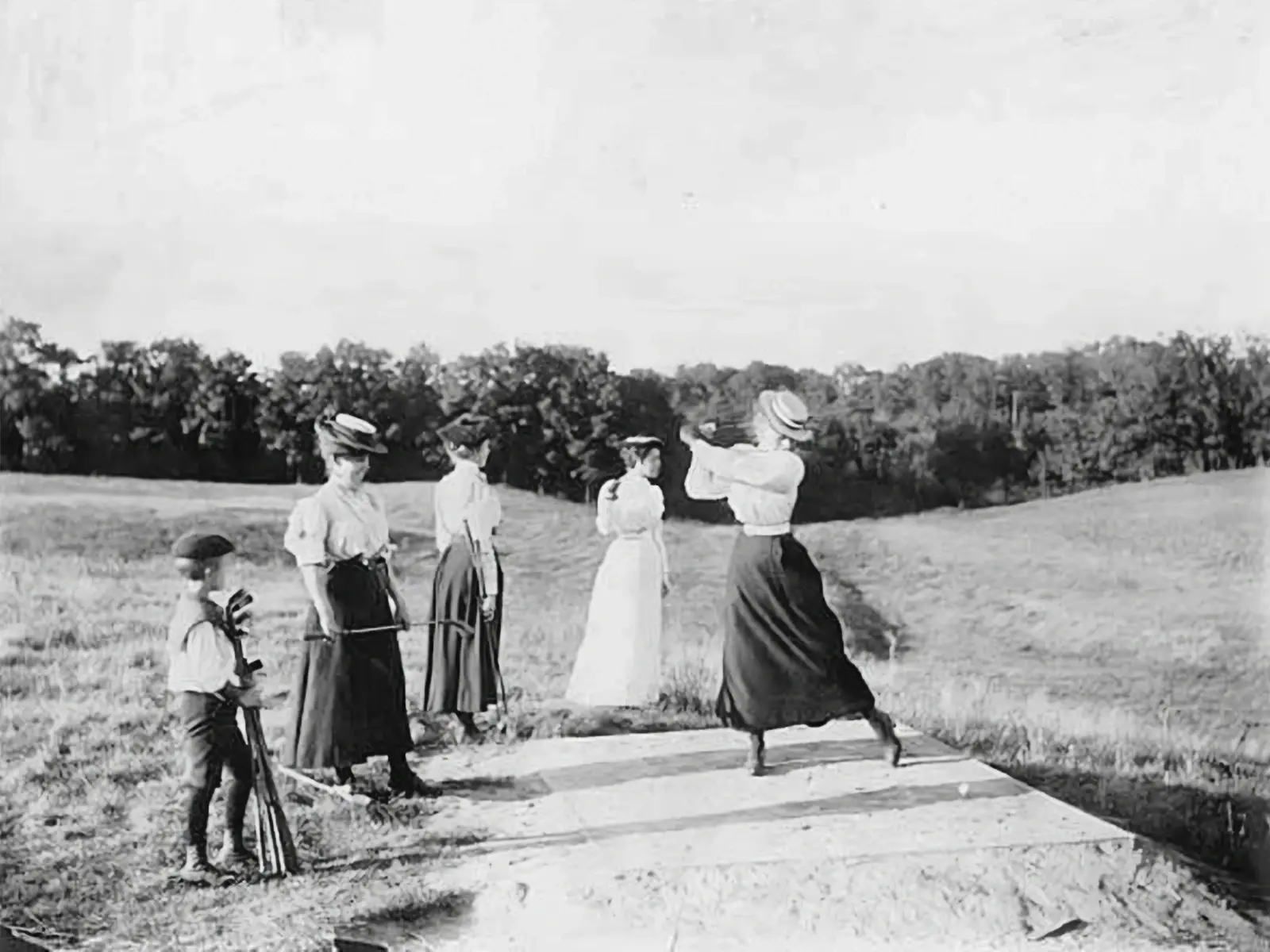
Golf introduced at Town & Country Club
Golf arrives at Town & Country Club in St. Paul, marking the beginning of organized golf in Minnesota.

Explore the people, places, championships, and defining moments that shaped golf in Minnesota.
Golf arrives at Town & Country Club in St. Paul, marking the beginning of organized golf in Minnesota.
A June 30, 1895, Pioneer Press story stated Town & Country Club “has added golf to its other attractions,” providing one of the earliest printed references to golf in Minnesota.
Dated Saturday, June 1, 1895, the article reads: “IN THE SOCIAL WHIRL – “W.F. PEET GREATLY INTERESTED IN THE INTRODUCTION OF GOLF IN THE CITY “W.F. Peet is very much interested in interesting his friends in the game of golf. Every one is playing it, he says, in New York, at all the country houses, in Chicago, and in fact, in all the large cities excepting St. Paul, and he believe its introduction here would be received with delight. He thinks it the leader of all games, and calls attention to the fact that the rather extensive facilities for playing golf are close at hand and that in order to establish it here there need be hardly any outlay of money which would be a point in its favor. The Town and Country house would furnish the necessary headquarters and from that center north there stretches away a mile of country that appears to have been made for the links…”
Meadow-Brook Club opens in Winona, extending organized golf beyond the Twin Cities before the Minnesota Golf Association was formed.
The establishment of the Meadow-Brook Club in Winona in 1897 placed the city among the earliest centers of organized golf in Minnesota. Formed during the first wave of American golf expansion in the Upper Midwest, the club developed a course on open land outside the city where members introduced structured play, club competitions, and the etiquette traditions that defined the game’s early social culture. Winona’s position as a prosperous Mississippi River community helped support the growth of recreational institutions such as Meadow-Brook, which became an important gathering place for local golfers and visiting players traveling through the region. Early clubs like Meadow-Brook contributed to the gradual spread of golf beyond major urban hubs and helped establish a foundation for later amateur championship play across southern Minnesota.
Founded in 1898, The Minikahda Club quickly became one of Minnesota’s defining clubs and an early center of championship golf.
Founded in 1898 along the shores of Bde Maka Ska, The Minikahda Club quickly became one of the most influential early golf clubs in Minnesota. Its members helped shape the competitive and organizational structure of the game in the state. The club would later host numerous major championships and play a central role in Minnesota golf history.
Northland Country Club opens a 9-hole course in Duluth, giving northeastern Minnesota one of its earliest organized golf venues. The club later expanded to 18 holes and became one of the state’s principal championship sites.
The opening of Northland Country Club’s original nine-hole course in Duluth marked an important step in the geographic expansion of organized golf in Minnesota. At a time when most competitive play was concentrated in the Twin Cities and southern parts of the state, the club provided a structured venue for championship golf in the northeastern region. As the course expanded to eighteen holes in the early twentieth century, Northland quickly developed a reputation for strong course conditioning and competitive challenge. Its growing stature was reflected in the club’s selection as host for major amateur and national championships, including four of the first twenty men's Minnesota State Amateurs, two of the first fourteen women's State Amateurs and the 1956 U.S. Women's Open. The development of Northland Country Club helped establish Duluth as a significant center for Minnesota golf and demonstrated the sport’s increasing reach beyond metropolitan areas during the game’s formative decades.
The Lafayette Club opens a 9-hole course on Lake Minnetonka designed by William Watson.
The opening of the Lafayette Club’s nine-hole course on the shores of Lake Minnetonka marked an important step in the early development of golf in Minnesota. Designed by Scottish architect William Watson, the layout reflected the influence of traditional British course architecture at a time when the sport was still establishing its identity in the American Midwest. Situated within one of the state’s most prominent resort communities, the club helped introduce organized golf to a growing summer population of visitors and residents drawn to the recreational culture of Lake Minnetonka. The course quickly became a social and competitive gathering place, contributing to the spread of standardized play and club-based tournaments in the region. Watson’s involvement also linked Minnesota golf to broader national design trends, reinforcing the state’s early participation in the architectural and cultural evolution of the game.
Representatives from seven clubs meet in Winona to form the MGA and establish a statewide governing body.
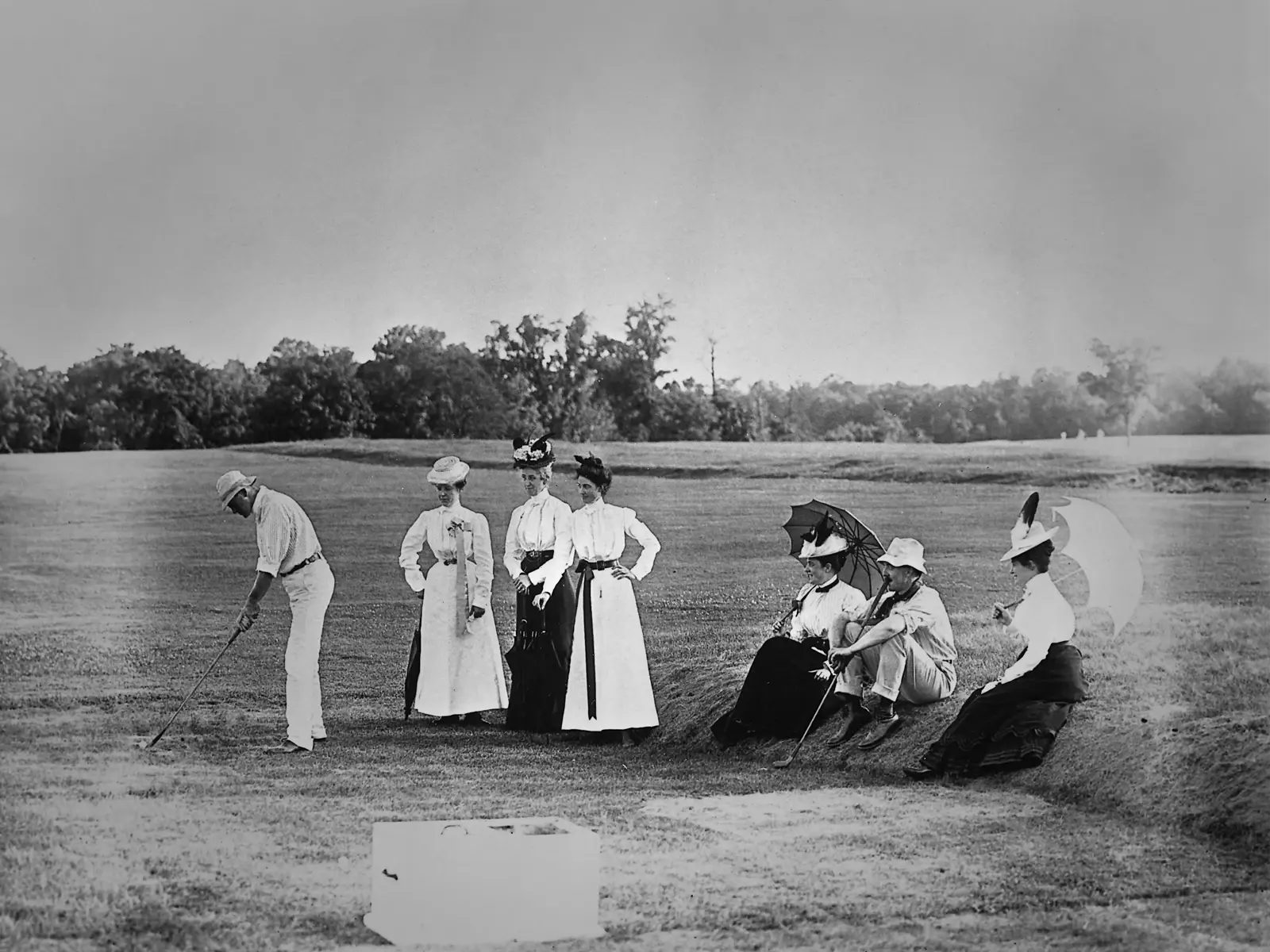
Rev. Theodore P. Thurston of Meadow-Brook Club won the first Minnesota Golf Association amateur championship in Winona.
The inaugural Minnesota Golf Association Amateur Championship marked the beginning of organized statewide competition. Reverend Theodore P. Thurston captured the first title, establishing what would become the MGA’s premier amateur championship. The event helped solidify the MGA’s role as the governing body for amateur golf in Minnesota. The event was contested at the same gathering where representatives of seven clubs formally organized the MGA.
John R. Marfield of Meadow-Brook Club in Winona became the first president of the Minnesota Golf Association at its founding meeting.
John R. Marfield of Meadow-Brook Club in Winona became the first president of the Minnesota Golf Association at the organization’s founding meeting in 1901. Though often overlooked, he helped launch the association’s early championship structure and later returned for a second term as MGA president in 1910-1911.
The Minikahda Club hosted the first Trans-Mississippi Championship played in Minnesota. Harold Bend of Town & Country Club won the title.
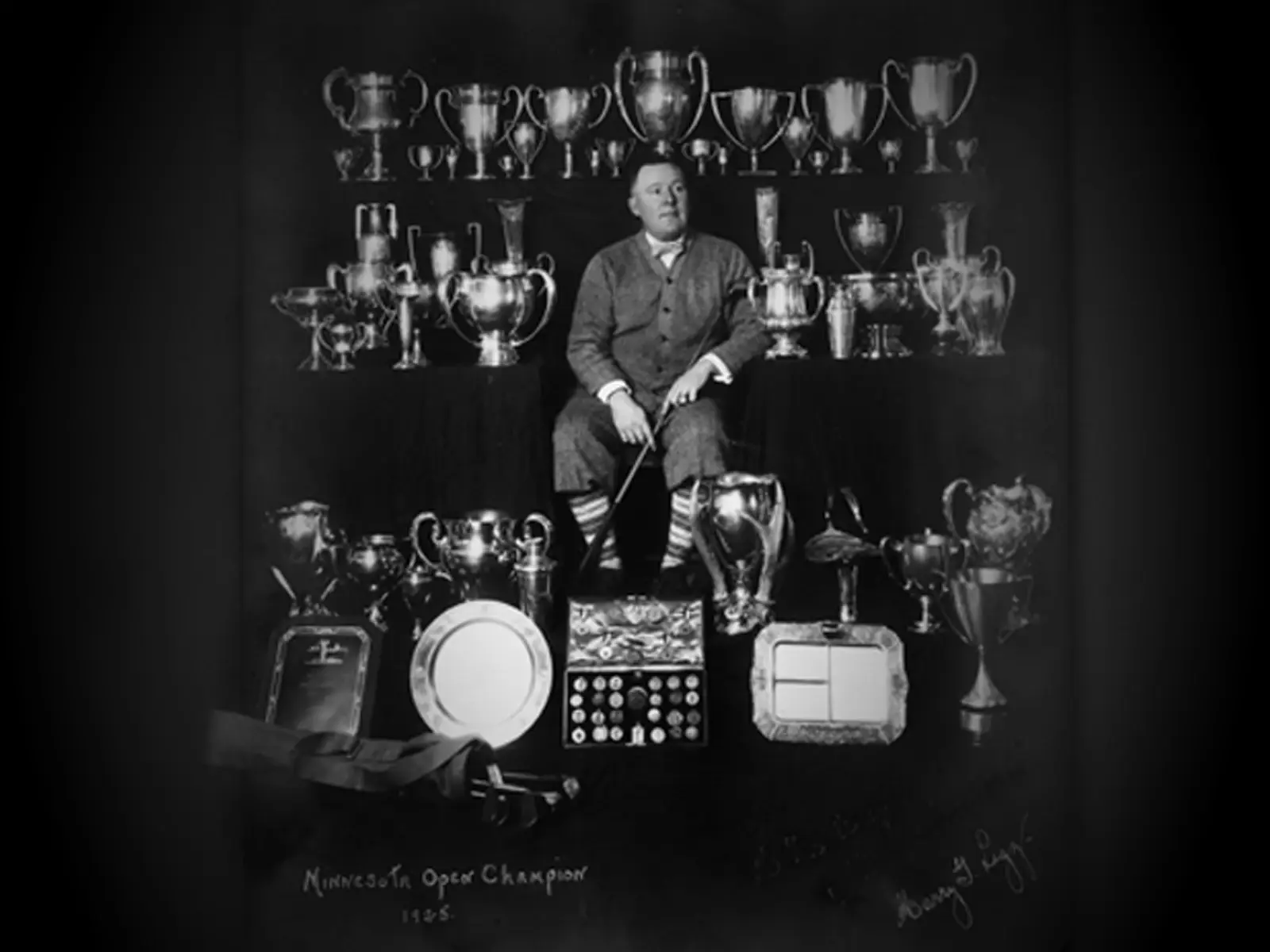
Harry Legg won the first of his ten Minnesota Golf Association State Amateur titles at Northland Country Club.
Town & Country Club becomes the first 18-hole course in Minnesota, signaling the game’s rapid early growth.
In 1906, Town & Country Club member Ben Schurmeier expanded his club's 9-hole course, creating the first 18-hole golf course in Minnesota. The move reflected the rapid growth of the game and the increasing demand for full-length championship layouts. It helped establish the standard course format that would shape golf development across the state.
The Minikahda Club hosted the Western Amateur, bringing a leading Western Golf Association championship to Minneapolis.
When Minikahda hosted the Western Amateur in 1910, Minnesota was still establishing itself within the national golf conversation. Bringing one of the Western Golf Association’s premier amateur championships to Minneapolis signaled that the state already possessed clubs capable of attracting elite competition. The event helped connect Minnesota golfers to broader amateur networks and strengthened Minikahda’s standing as an early championship venue.
Interlachen Country Club opens in suburban Minneapolis and soon develops into one of the state’s most storied championship venues.
Interlachen’s opening in 1911 gave Minnesota a course built from the start with national ambition. William Watson’s design quickly established the club as more than a local venue, and within two decades Interlachen would host the U.S. Open and become permanently linked to Bobby Jones’s Grand Slam season. Its early success helped prove that Minnesota clubs could combine strong architecture with championship stature.
Harry Legg won his fourth straight Trans-Mississippi Championship at The Minikahda Club.
Interlachen Country Club hosted the Western Open, won by Jim Barnes.
Interlachen’s hosting of the 1914 Western Open signaled that Minnesota had entered the national championship conversation only a few years after the club opened. Jim Barnes won by a single stroke over future Interlachen head pro Willie Kidd. The event gave the young club immediate stature as a tournament venue. It also helped establish a pattern that would define Minnesota golf for more than a century: ambitious clubs seeking to prove they could host the game’s strongest fields.
Golden Valley Golf Club, later known as Minneapolis Golf Club, opened a 9-hole course designed by Tom Bendelow.
Northland Country Club expanded to 18 holes in Duluth, primarily designed by Tom Bendelow, in time to host that year's State Amateur.
The Minnesota Women's Golf Association was founded with the mission to enrich all aspects of the game for amateur women golfers.
Founded in 1915, the Minnesota Women's Golf Association was created to enrich all aspects of the game for amateur women golfers statewide. After celebrating their centennial in 2015, the MWGA formally unified under the MGA umbrella in 2016.
Eleanor Lightner wins the inaugural Minnesota Women's State Amateur Championship, establishing an enduring competitive tradition for women in Minnesota golf.
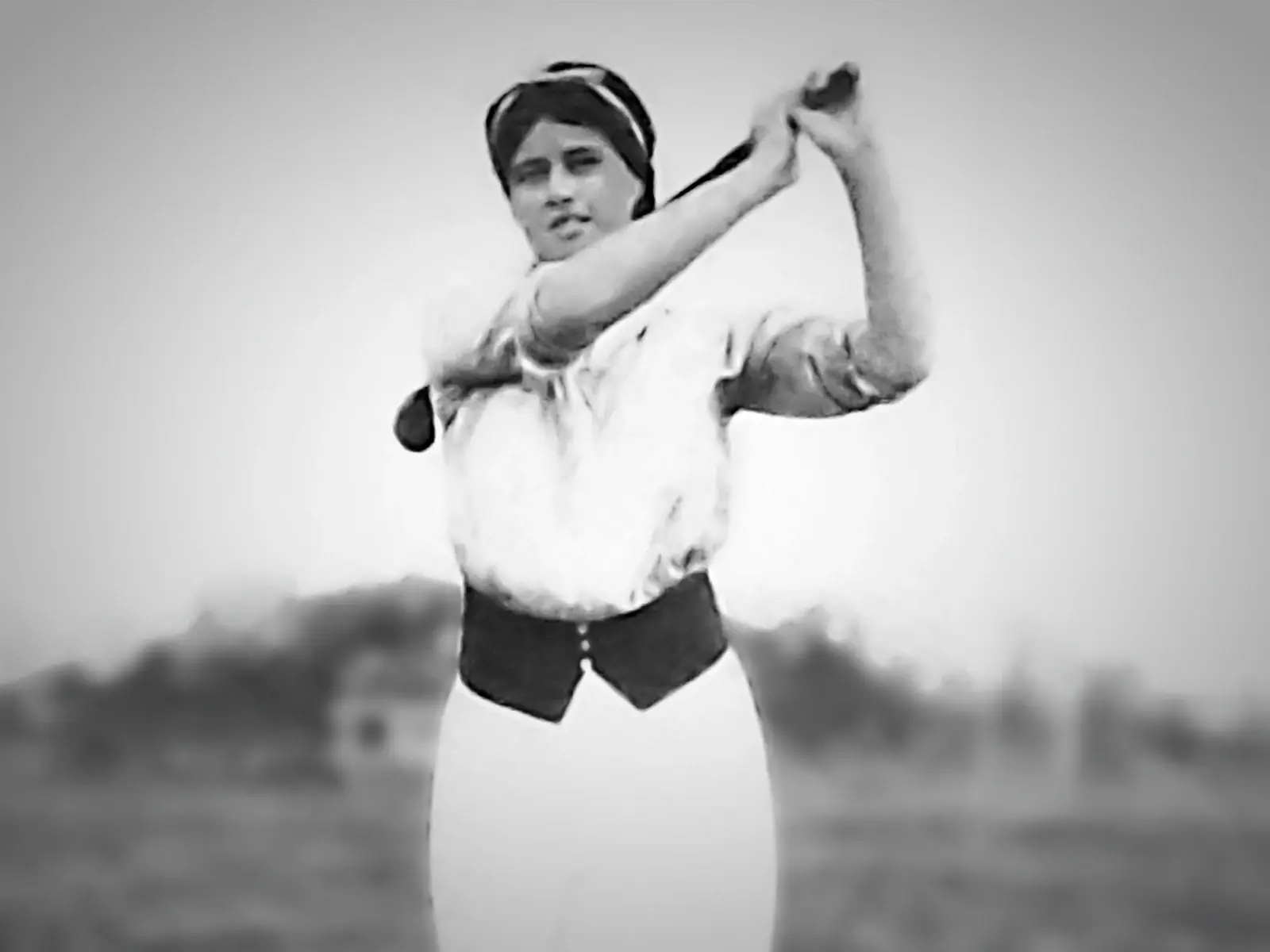
Rochester Golf & Country Club opened, giving southeastern Minnesota one of its early private golf clubs.
Minneapolis Golf Club opened its Willie Park-designed course in St. Louis Park after splitting from Golden Valley Golf Club.
The creation of Minneapolis Golf Club reflected the city’s rapid golf growth in the 1910s and the desire for another championship‑caliber course alongside Minikahda and Interlachen. Willie Park Jr.’s routing gave the club immediate architectural credibility, and later refinements only strengthened that foundation. From the start, Minneapolis Golf Club was positioned not as a neighborhood layout but as a serious tournament venue with long‑term championship aspirations.
Glenwood, later Theodore Wirth, opens as Minnesota’s first public course and broadens access to the game.
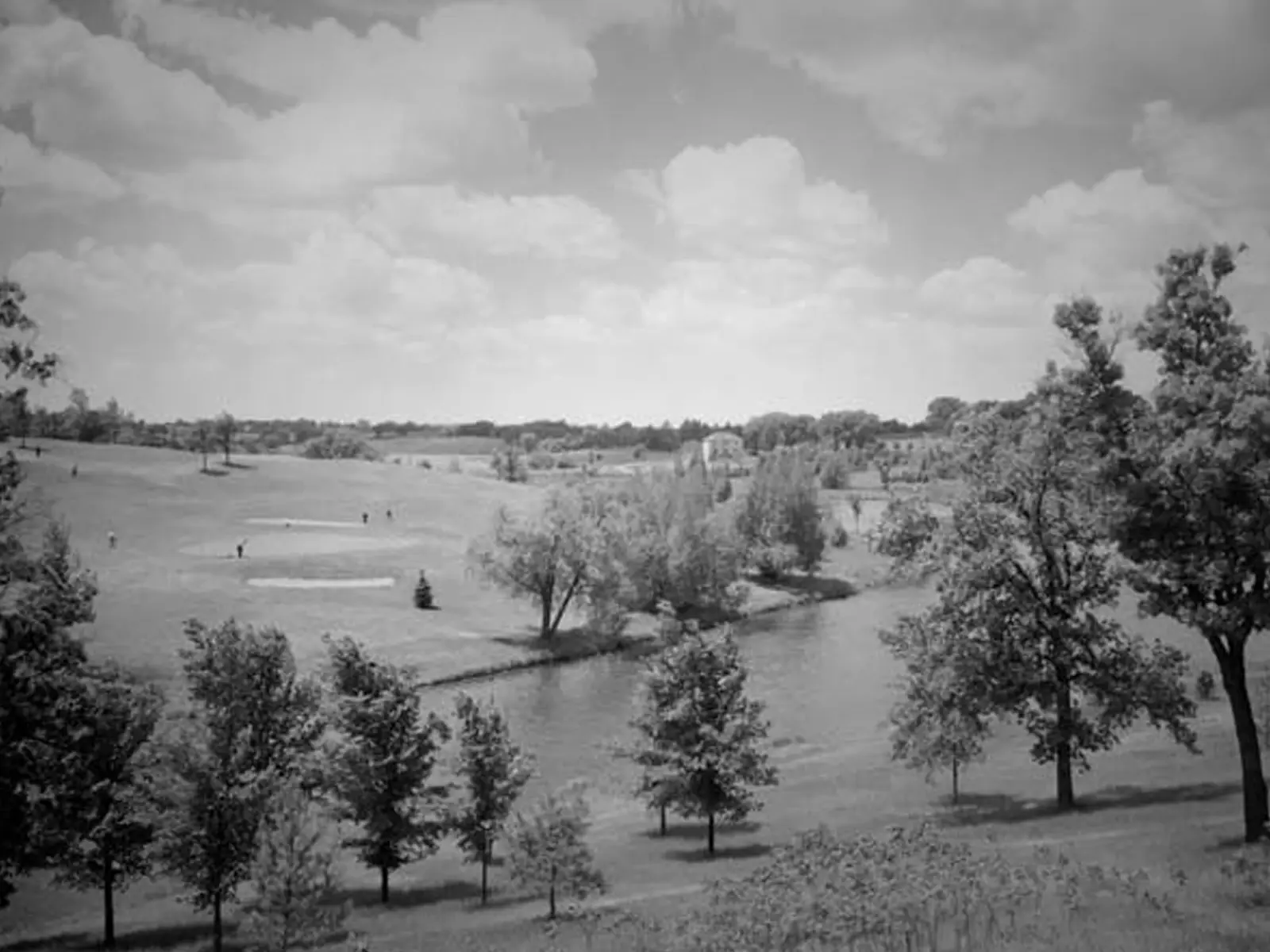
Donald Ross visited the White Bear Yacht Club course, originally designed in 1912 by William Watson, to perform a renovation.
Amateur star Chick Evans of Illinois wins the 1916 U.S. Open at The Minikahda Club, bringing national attention to Minnesota golf.
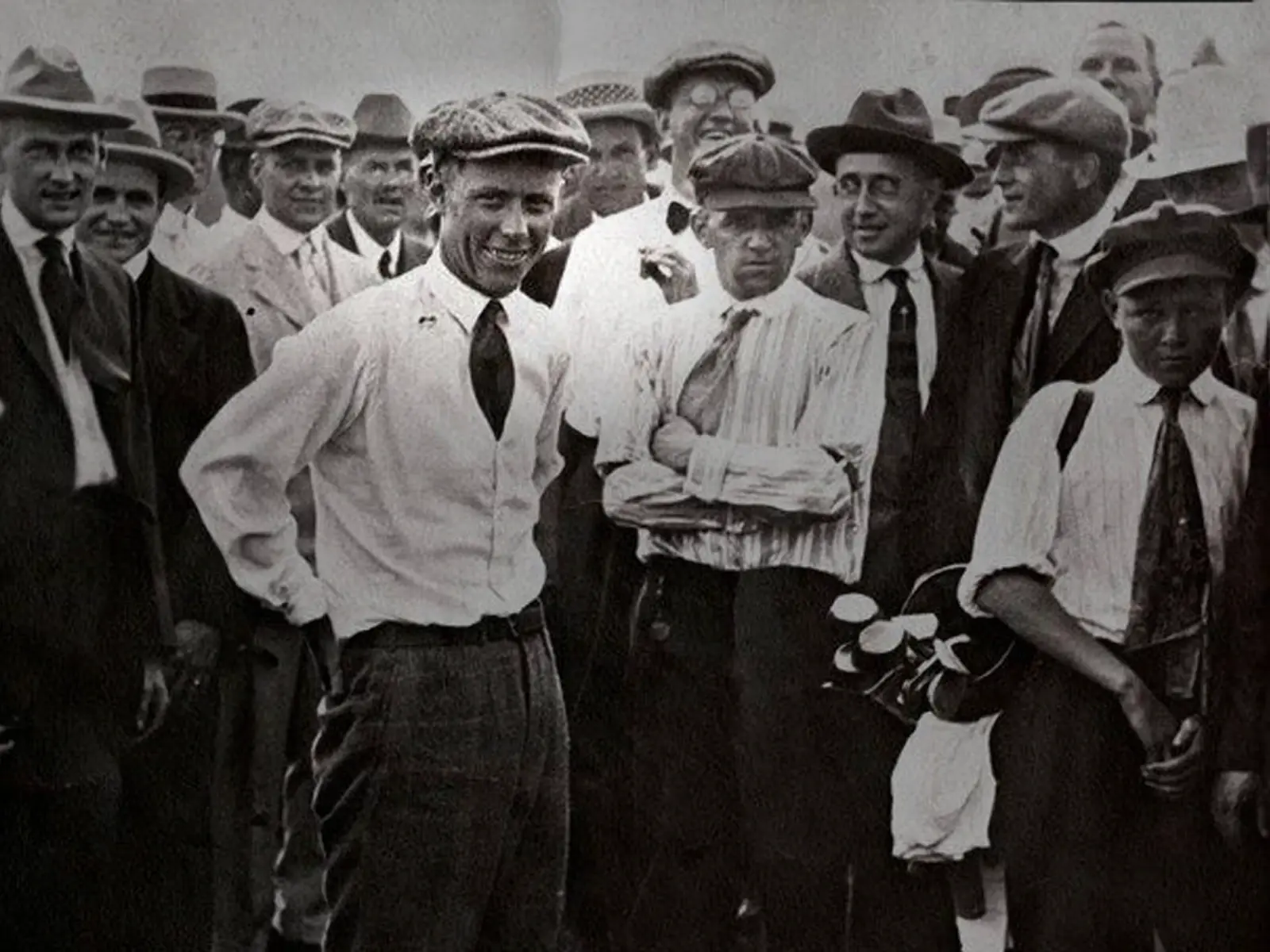
The Minnesota Professional Golfers Association was established to organize professionals and section competition in the state.
The Minnesota Professional Golfers Association was established to organize professionals and section competition in the state. It became the formal body for Minnesota PGA sectional championships and professional administration.
Woodhill Country Club opened in Wayzata as Donald Ross’s only original golf course design in Minnesota.
Woodhill Country Club opened in Wayzata as Donald Ross’s only original golf course design in Minnesota. Ross later contributed to other Minnesota clubs, but Woodhill remains his only original commission in the state.
Phalen Park Golf Course opened in St. Paul as Minnesota’s second public golf course.
The opening of Phalen Park Golf Club represented another major step in the spread of public golf in Minnesota. As municipal courses expanded beyond the earliest private-club centers of the game, golfers gained more accessible places to learn, compete, and build local golf communities. Phalen helped establish St. Paul as an important part of the state’s public-golf story.
Somerset Country Club established in Mendota Heights with a course designed by Seth Raynor. The course would open for play in 1921.
Somerset’s 1919 creation introduced Seth Raynor architecture to Minnesota and provided one of the state’s clearest links to the Macdonald–Raynor school of strategic design. That pedigree mattered because courses built on those principles naturally attracted championship interest and competitive respect. Somerset’s later role as a host for major senior and women’s amateur events flowed directly from the quality and ambition built into the course from the beginning.
Southview Country Club opened in St. Paul with a course designed by White Bear Yacht Club head professional Tom Vardon.
Columbia Golf Club began as a 6-hole course in 1917, expanding to 18 holes in 1919.
Columbia Golf Club in Northeast Minneapolis was established in 1919. It began as a 6-hole course in 1917, expanded to 9 holes, and was officially completed as an 18-hole course shortly after, becoming the second oldest course in the Minneapolis Park & Recreation Board (MPRB) system.
Midland Hills Country Club opened in St. Paul with a course designed by Seth Raynor.
The opening of Midland Hills Country Club introduced one of the Twin Cities’ earliest championship-caliber layouts designed specifically to test strategic amateur play. Its routing, green complexes, and conditioning standards helped set a benchmark for tournament venues and quickly positioned the club as a regular host site for elite MGA competitions.
W.F. Brooks and Charles Erickson of The Minikahda Club created a mower with five reel cutters ahead of the tractor.
W.F. Brooks and Charles Erickson of The Minikahda Club created a mower with five reel cutters ahead of the tractor. Their work helped push Minnesota into the center of golf-maintenance innovation.
Oak Ridge Country Club opened with a course designed by former Minneapolis Golf Club head professional William D. Clark.
St. Cloud Country Club opened with a course designed by Tom Vardon.
Toro began selling a mower based on the Brooks-Erickson concept and expanded from agricultural equipment into golf course maintenance machinery.
Toro began selling a mower based on the Brooks-Erickson concept and expanded from agricultural equipment into golf course maintenance machinery. The success of the design helped make Minnesota part of golf’s equipment and turf-management history.
Harrison R. "Jimmy" Johnston begins a remarkable run of seven consecutive State Amateur titles, one of Minnesota golf’s greatest records.
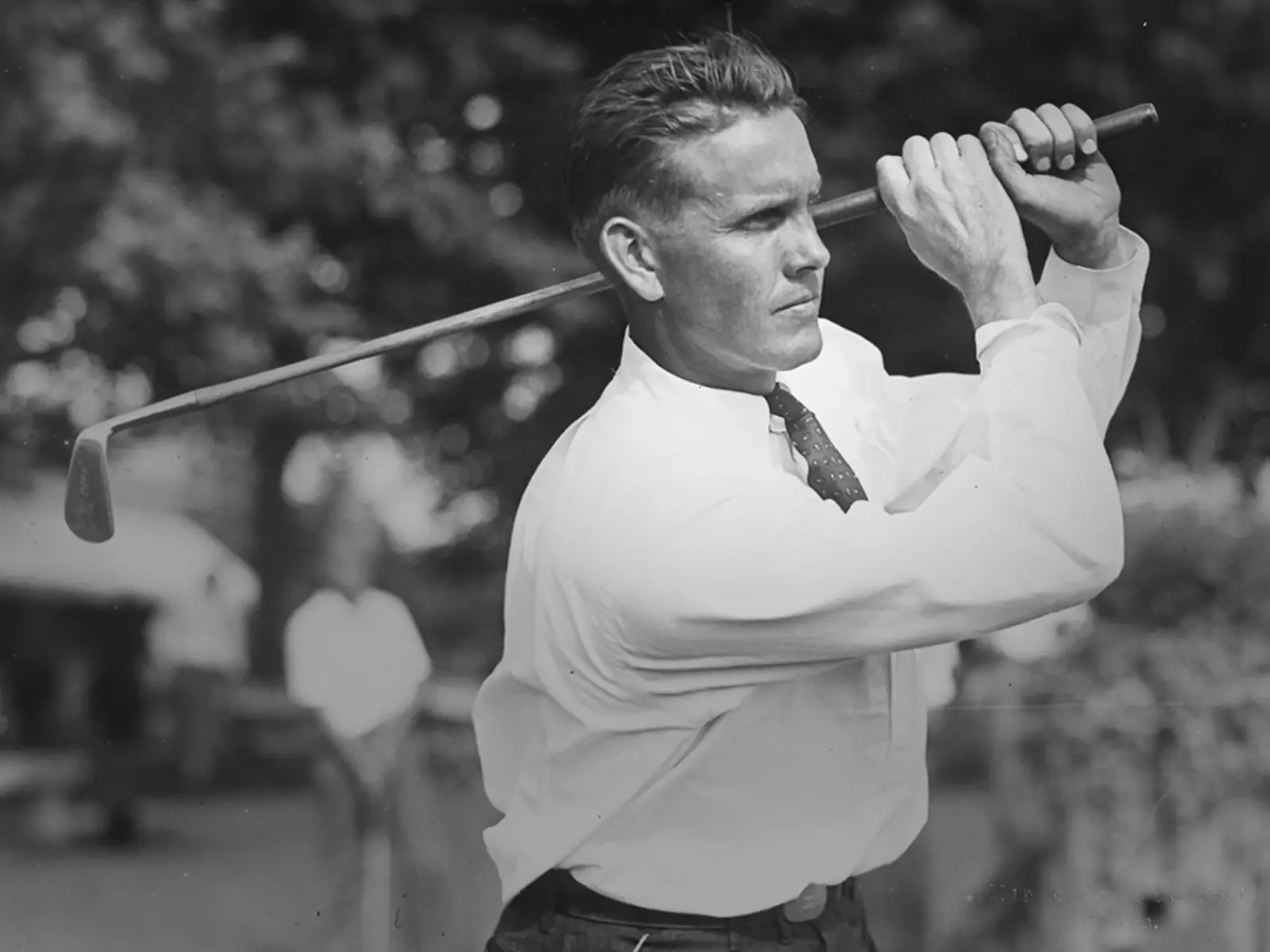
Ridgeview Country Club opened in Duluth with a course designed by William Watson.
The Minnesota Public Golf Association is formed, strengthening competitive opportunities for golfers outside the private-club system.
The formation of the Minnesota Public Golf Association in 1922 provided an organized competitive structure for players who did not belong to private clubs. As municipal courses expanded in Minneapolis, St. Paul, and regional communities, the MPGA created championship pathways that broadened participation in tournament golf. Its establishment reflected Minnesota’s emerging identity as a state where public‑course play would become central to the growth of amateur competition.
Harry Legg won the first Resorters Tournament in Alexandria.
Harry Legg’s victory in the inaugural Resorters Tournament linked one of Minnesota’s earliest golf stars to a competition that would become a longstanding northern Minnesota tradition. The event helped reinforce the importance of resort-region golf within the state’s broader competitive culture. It also showed how tournament play was expanding beyond the Twin Cities into other parts of Minnesota.
W.F. Brooks organized the Twin City District Green Section with greenkeepers from 18 courses represented.
W.F. Brooks organized the Twin City District Green Section with greenkeepers from 18 courses represented. The group was a predecessor to today’s Minnesota Golf Course Superintendents Association.
Superior Golf Club, later renamed Brookview, opened in Golden Valley with a course designed by William D. Clark.
Hardy Feichtinger won the first State Public Links championship at Glenwood Golf Course.
Minneapolis police officer Hardy Feichtinger’s victory in the inaugural State Public Links championship gave public‑course golf an immediate competitive identity in Minnesota. Played at Glenwood, the event created a formal title for players outside the private‑club structure and signaled that municipal golf had become strong enough to sustain its own championship tradition. That distinction helped expand the state’s amateur base and laid the groundwork for a public‑links culture that would later produce national champions.
W.F. Brooks of The Minikahda Club oversaw development of the Sea Serpent fairway irrigator, invented by superintendent Charles Erickson.
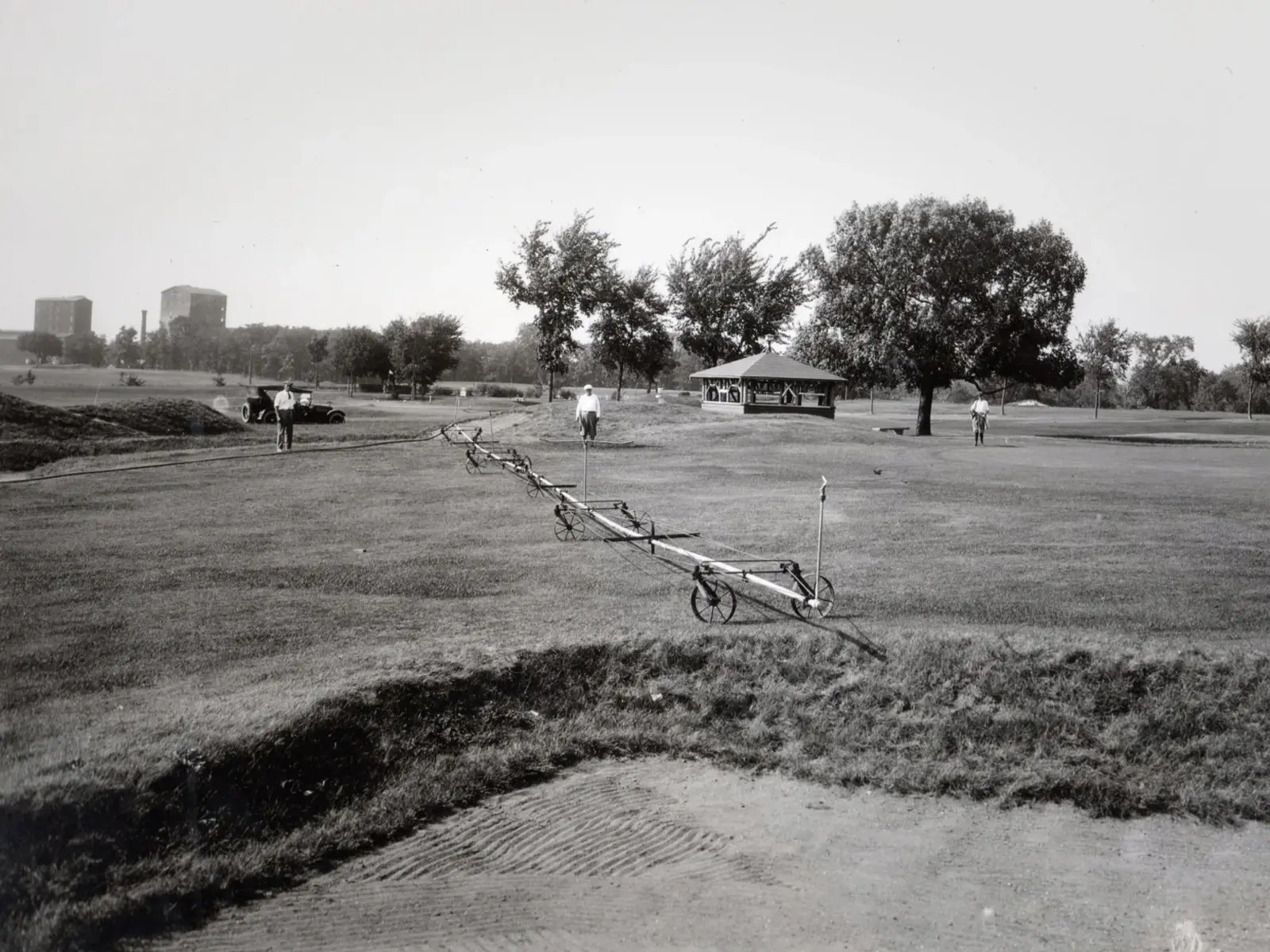
Edina Country Club, originally named the Thorpe Country Club, opened with a course designed by Tom Bendelow.
Founded in 1923 as Thorpe Country Club, Edina Country Club quickly became an important part of the growing golf culture in Minnesota’s western suburbs. The original nine-hole course opened that year, followed by an 18-hole layout designed by noted architect Tom Bendelow in 1924. Like many early clubs, Edina evolved alongside the game itself. A devastating fire destroyed the first clubhouse in 1929, leading to the construction of a stately Colonial-style replacement that served members for three decades before the present clubhouse opened in 1959. Over the years, adjustments to hole sequencing and ongoing course improvements have modernized the experience while preserving the character of Bendelow’s design. A significant renovation in 2010–11, led by Minnesota major champion Tom Lehman and architect Chris Brands, introduced updated green complexes, bunkering, tees, and turf conditions while maintaining the club’s historic routing.
George K. and Allen LaBatt won the first Northwest Father-Son Tournament at Town & Country Club.
George K. and Allen LaBatt won the first Northwest Father-Son Tournament at Town & Country Club. The event became one of the region’s enduring family competitions.
Bloomington Golf Club, designed by William D. Clark, opens south of Minneapolis.
The opening of Bloomington Golf Club in 1924 marked an important phase in the geographic expansion of organized golf in the Twin Cities region. Designed initially by Scottish native professional and course builder William D. Clark, the layout introduced championship-caliber golf to what was then a developing suburban landscape. In subsequent years the course underwent refinements that architectural historians have linked in part to the influence of noted designer Seth Raynor. Although Raynor was not responsible for the original routing, later modifications to greens and strategic features reflected evolving national trends in course architecture during the interwar period. Renamed Minnesota Valley Country Club, the course would become an important competitive venue and a long-standing fixture in the state’s championship rotation. Its development illustrates how suburban clubs helped shape the growth of amateur golf participation and tournament infrastructure in Minnesota during the early twentieth century.
Les Bolstad won the inaugural Minnesota Junior Golf Tournament at The Minikahda Club, the first state junior championship in Minnesota.
Minnesota's first junior championship arrived in 1924, and its first winner turned out to be the player who would shape the state's golf more than almost anyone of his generation. Bolstad went on to win the U.S. Public Links in 1926 and later spent nearly three decades coaching at the University of Minnesota. The tournament itself did not survive unbroken — the MGA ran it through 1935, other organizations carried a state junior title through the middle of the century, and the championship played today descends from an MGA event begun in 1961 and renamed the Minnesota State Junior Boys' Championship in 2002.
A.W. Tillinghast redesigned Rochester Golf & Country Club.
A.W. Tillinghast redesigned Rochester Golf & Country Club, bringing one of the era’s leading architects into Minnesota course development.
Gertrude Boothby Dansingburg starts a dominant stretch that helps define early women’s championship golf in Minnesota.
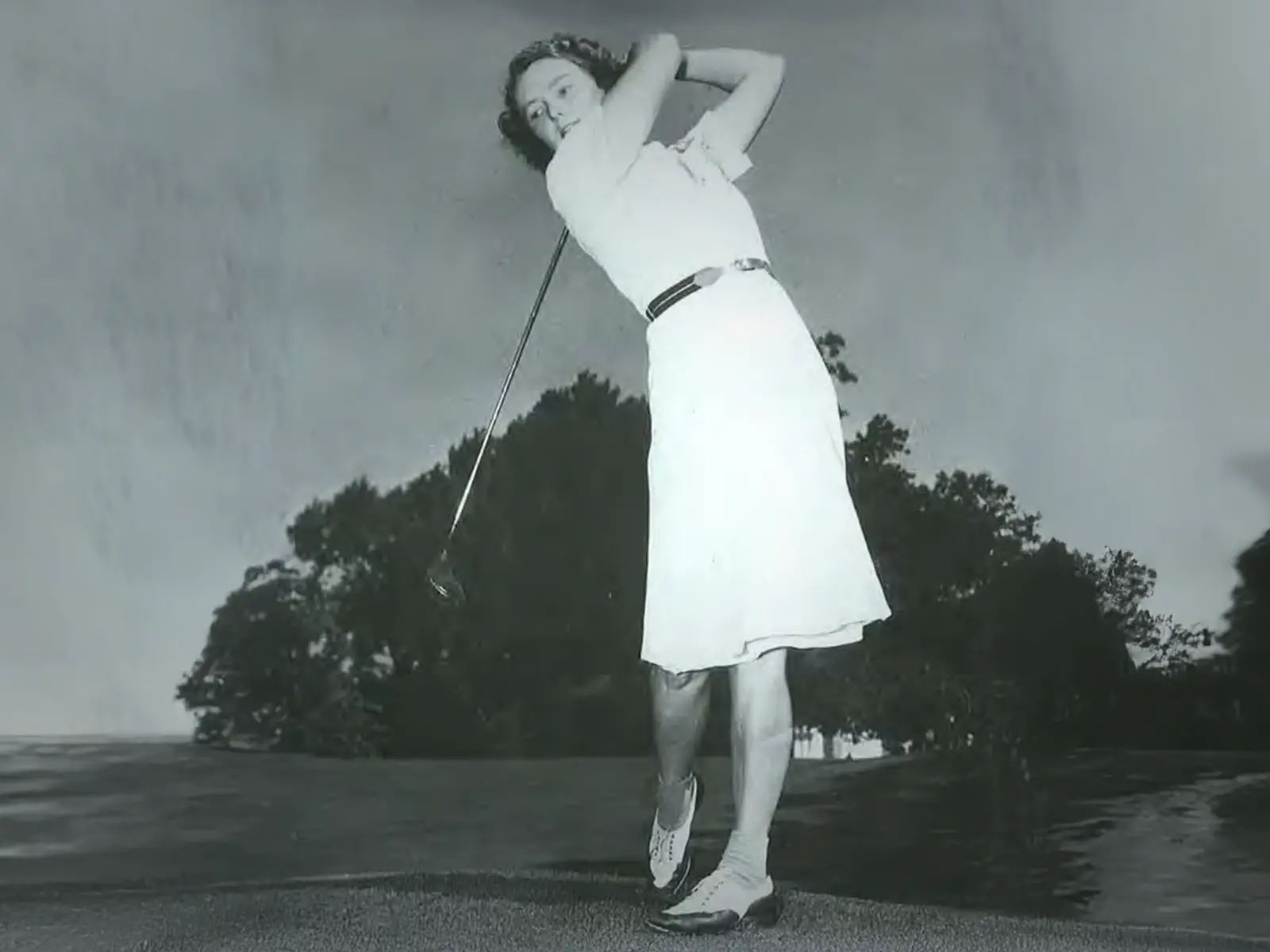
White Bear Yacht Club hosted the Women’s Western Amateur, one of the leading championships in women’s amateur golf.
When White Bear Yacht Club hosted the Women’s Western Amateur in 1925, Minnesota stepped onto the national stage of elite women’s competition. The championship brought leading female amateurs to the state and confirmed that Minnesota clubs could support tournaments of real national consequence. Hosting the event also reflected the growing strength of women’s golf at a time when organized female amateur competition was still developing across the country.
Riverview Golf Club opened in Mendota Heights. Designed by owner Louis Fischer, it would be renamed as Mendakota Country Club.
Les Bolstad captures the U.S. Public Links title, proving Minnesota players can contend on the national stage.
Les Bolstad’s victory in the 1926 U.S. Public Links gave Minnesota its first major national amateur triumph and immediately elevated the state’s public‑course reputation. He won the title as a teenager, and the achievement demonstrated that Minnesota’s competitive pipeline extended well beyond private‑club circles. Bolstad’s later success as a player, teacher, and University of Minnesota coach only deepened the significance of that early national breakthrough.
The Birchmont Tournament began in Bemidji and grew into one of northern Minnesota’s best-known amateur events.
The Birchmont became one of Minnesota’s most distinctive amateur traditions by linking serious competition with the social rhythm of summer golf in northern Minnesota. Played at Bemidji Town & Country Club, the tournament drew strong fields while also reflecting the importance of resort travel and seasonal recreation to the game’s spread beyond the Twin Cities. Over time, it developed into one of the state’s signature proving grounds for amateur players.
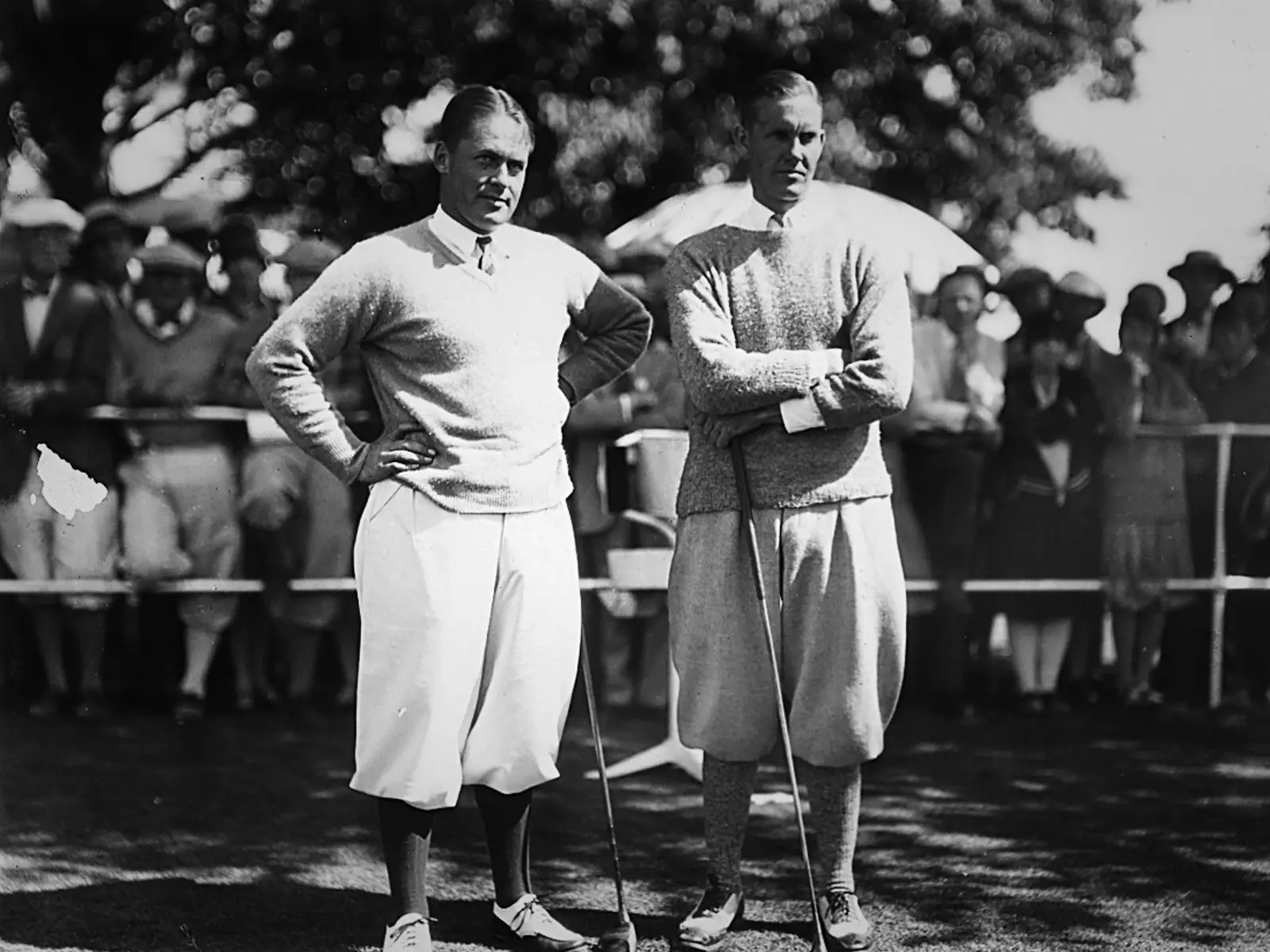
Bobby Jones wins the 1927 U.S. Amateur at The Minikahda Club, further elevating Minnesota’s reputation in championship golf.
Stillwater Country Club opened for play on a Tom Vardon design that had been planned in 1924.
Enger Park Golf Course opened as Duluth’s first public golf course.
Northland Country Club opens newly redesigned layout by Donald Ross.
David Tallman won the Birchmont Tournament at Bemidji Town & Country Club.
MGA president David Tallman of Willmar won the Birchmont Tournament at Bemidji Town & Country Club. The tournament was already becoming a major fixture in northern Minnesota golf.
Les Bolstad won the Big Ten Championship while leading the University of Minnesota to the conference team title.
Les Bolstad won his second individual Big Ten Championship while leading the University of Minnesota to its first conference team title. He would go on to win the 1931 State Amateur and four State Opens.
Jimmy Johnston wins the U.S. Amateur at Pebble Beach, cementing his place among Minnesota’s all-time great amateurs.
Jimmy Johnston’s victory at the 1929 U.S. Amateur remains one of the greatest national triumphs by a Minnesota golfer. Coming after years of dominance in state competition, the win proved that a Minnesota amateur could succeed on the sport’s biggest stage. Combined with his Walker Cup record and seven straight State Amateur titles, it secured his place among the central figures of Minnesota golf history.
The University of Minnesota opened an expansion of its original 9-hole William D. Clark course to an 18-hole course designed by Tom Vardon.
Keller Golf Course opened in Maplewood with a layout designed by Paul Coates.
Keller’s opening in 1929 dramatically expanded the scale of public golf in Minnesota and showed that a municipal course could also serve as a championship venue. Within a year it was hosting the St. Paul Open, and over time it welcomed major professional tournaments, LPGA events, and national public‑links competition. From the beginning, Keller embodied a defining Minnesota principle: that public golf could be both broadly accessible and nationally significant.
At age 17, Pat Sawyer wins the first of five State Amateur titles and announces himself as Minnesota golf’s “Boy Wonder.”
When Pat Sawyer won the State Amateur at age 17, he immediately became one of the most celebrated young players in Minnesota golf. The victory marked the start of a championship run that would include five State Amateurs and three State Opens. His early success gave Depression-era Minnesota golf one of its brightest stars and established Sawyer as the leading amateur of his generation.
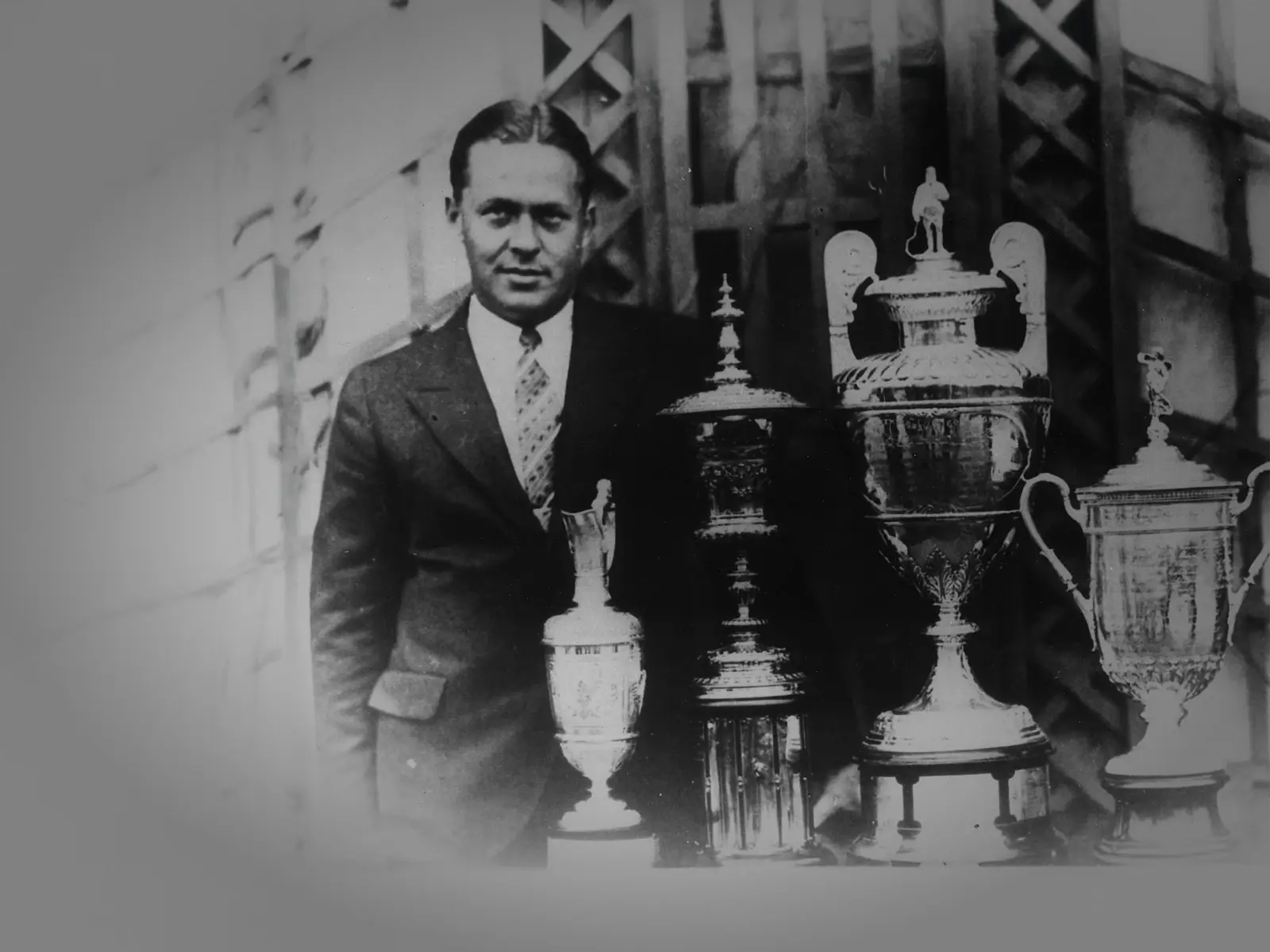
Bobby Jones wins the 1930 U.S. Open at Interlachen Country Club during his Grand Slam season, giving Minnesota a permanent place in golf history.
The St. Paul Open begins a significant run that brings top professional golf to Minnesota for decades.
The St. Paul Open began in 1930 and quickly became one of the Midwest’s most important professional tournaments. Harry Cooper won the first event and would take three of the first six titles. The tournament brought top professional golf to Minnesota for decades.
Twin City Golf Club is founded by Black golfers, creating opportunity and community in an era of exclusion.
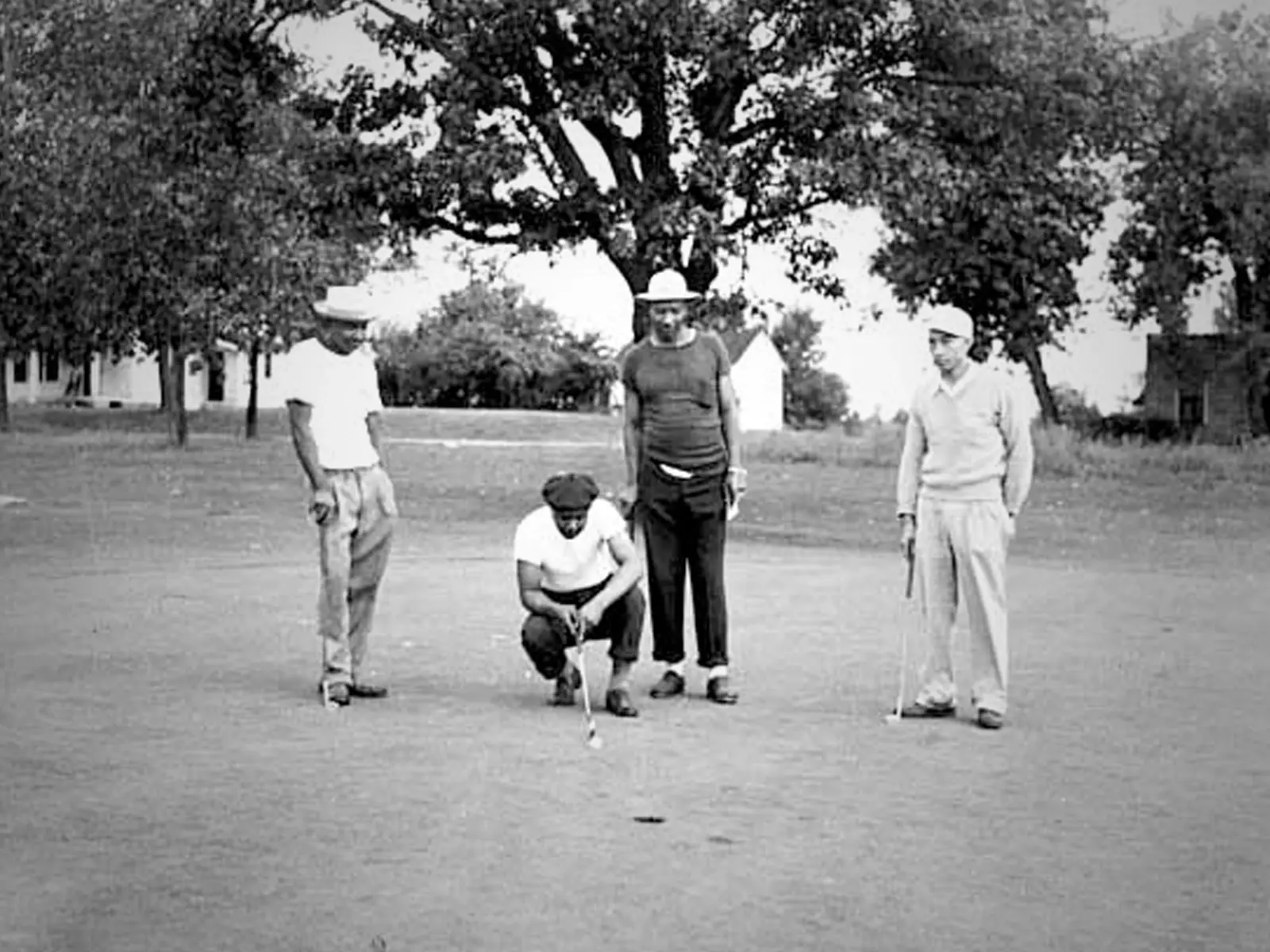
Keller Golf Course became a national public-golf stage when it hosted the National Public Links Championship won by Charles Ferrera.
When Keller hosted the 1931 National Amateur Public Links Championship, Minnesota municipal golf stepped visibly onto the national stage. Charles Ferrera’s victory helped validate the competitive quality of public‑course players and demonstrated that a municipal facility could successfully stage one of the USGA’s most important amateur events. The championship reinforced the growing importance of public golf within the state’s competitive identity.
The Pine to Palm becomes a signature resort-region event.
Gunnard Johnson, head professional at Hillcrest, won the first of his 10 Minnesota PGA Section championships.
Keller Golf Course hosts the PGA Championship. Won by Olin Dutra, proving a Minnesota public course can stage one of golf’s biggest events.
Keller Golf Course hosted the 1932 PGA Championship, showing that a Minnesota public course could stage one of golf’s major championships. Olin Dutra won the title. The event elevated both Keller and Minnesota in the national golf conversation.
Bea Altmeyer captures the first of her eventual ten Minnesota Women’s State Amateur championships, beginning one of the most dominant competitive runs in state golf history.
Bea Altmeyer’s victory in the 1933 Minnesota Women’s State Amateur marked the beginning of one of the most sustained periods of competitive success in the early history of women’s golf in the state. Her first title came during an era when championships were conducted through demanding multi-round match-play formats staged at leading private clubs around the Twin Cities and regional golf centers. Over the next two decades, Altmeyer would capture a total of ten Women’s State Amateur championships, building a record of dominance that extended into the early 1950s. Advancing repeatedly through strong inter-club fields, she faced many of Minnesota’s most accomplished female amateurs in finals and late-round matches, helping define the competitive standard of the tournament during its formative years. Her sustained success elevated both the prestige and visibility of the championship, reinforcing its role as the state’s primary proving ground for elite women golfers. Altmeyer’s long competitive span also bridged important phases in Minnesota golf history — from the growth of organized club competition in the 1930s to the emergence of nationally recognized players in the postwar period — ensuring that later generations inherited a more established and respected championship tradition.
Hiawatha Golf Course opened in Minneapolis, Minnesota, establishing a new golf venue in the state and became an important public course for Black golfers in the surrounding region. The course was designed by William D. Clark and built on land dredged from Lake Hiawatha.
The opening of Hiawatha Golf Course expanded municipal golf access within Minneapolis during the Depression and quickly made the course an important part of the city’s public-golf network. Built on land dredged from Lake Hiawatha, it provided affordable playing opportunities at a time when public recreation mattered deeply to urban communities. Over time, Hiawatha also became central to the history of Black golf in Minnesota, serving as a competitive and social home for players excluded from many private clubs.
Joe Coria begins a record-setting run in the State Open that would make him one of Minnesota’s most accomplished competitors.
Joe Coria’s first State Open title began a record-setting run that would make the St. Paul golfer one of the most accomplished competitors in Minnesota history. Unlike players whose success came in short bursts, Coria remained a championship force for years, winning seven State Opens overall and five during the 1940s alone. His record reflected both exceptional longevity and the ability to win against strong mixed amateur-professional fields.
Minnesota amateur Patty Berg reaches the final of the U.S. Women’s Amateur at Interlachen Country Club.
Patty Berg’s rise during the mid-1930s signaled the emergence of Minnesota as a national force in women’s golf. Her early competitive successes demonstrated the viability of elite female amateur development in the state and inspired broader support for women’s tournaments and junior participation programs.
Runcie Martin of Duluth wins his first of five State Senior Amateur titles.
Town & Country Club hosted the Women’s Western Amateur in St. Paul.
Town & Country Club’s staging of the 1937 Women’s Western Amateur underscored Minnesota’s growing importance as a championship destination in women’s golf. By this point, the state had already shown it could host nationally significant women’s events, and Town & Country’s role in that progression reflected both the strength of its course and the broader maturity of Minnesota’s golf infrastructure. The tournament reinforced the place of Minnesota clubs within the national rotation of top amateur venues.
Patty Berg wins the U.S. Women’s Amateur, strengthening her legacy as a national champion with Minnesota roots.
Patty Berg won the 1938 U.S. Women’s Amateur at Westmoreland Country Club in Wilmette, Illinois, securing one of amateur golf’s most prestigious titles. The victory cemented her status as a national champion with Minnesota roots. She would go on to become one of the most influential figures in women’s golf history.
Jimmy Slemmons launches the Bronze Amateur, a tournament that becomes a lasting institution in Black golf.
In 1939, Jimmy Slemmons launched the Bronze Amateur at Gross Golf Course, creating a major competitive outlet for Black golfers during an era of widespread exclusion. The tournament grew into one of the Twin Cities’ most important annual events. It remains a landmark in Minnesota golf history.
Minneapolis Golf Club hosted the Western Amateur, bringing another major national amateur championship to Minnesota.
Minneapolis Golf Club’s hosting of the Western Amateur in 1940 placed Minnesota once again on the national amateur calendar just before wartime disruption changed competitive golf across the country. The tournament, won by Bud Ward of Spokane, Washington, drew many of the era’s leading amateurs to a course already gaining recognition for championship quality. Its arrival reinforced the club’s stature and showed that Minnesota remained a serious destination for elite amateur play.
Bob Clark of Keller wins the U.S. Public Links Championship, giving Minnesota public golf a major national triumph.
Bob Clark’s 1940 U.S. Public Links title reinforced Minnesota’s growing stature in public‑course competition less than a decade after Keller hosted the national championship. His 8 and 6 victory at Detroit was decisive, and his subsequent success in Minnesota Public Links events confirmed that his national win was part of a broader pattern of municipal‑golf strength. Clark’s achievement helped demonstrate that Minnesota public courses could produce players capable of winning at the highest amateur level.
World War II halts much of the MGA’s championship schedule, forcing a pause in the State Amateur and other core activities.
World War II dealt Minnesota golf a severe blow as private clubs struggled to maintain their courses and the MGA ceased most of its functions. The men’s State Amateur was not played from 1942 through 1944, and the women’s State Amateur went on hiatus from 1943 through 1945. The interruption was the most significant competitive pause in MGA history.
W.R. “Ray” Smith becomes the MGA’s wartime steady hand, helping keep the association intact through one of its most difficult periods.
W.R. “Ray” Smith became the MGA’s first executive director in 1943 after joining the board in 1938, and he helped hold the association together during World War II. With championships interrupted and private clubs under strain, Smith provided continuity while serving as the organization’s executive secretary and tournament voice. His work during the war years helped preserve the MGA for its postwar resurgence.
University of Minnesota golfer, Louis Lick, wins the NCAA Championship.
Les Bolstad & Joe Coria set PGA best ball record with a 59 at Golden Valley Invitational.
Patty Berg wins the first U.S. Women’s Open, a landmark achievement in both Minnesota and women’s golf history.
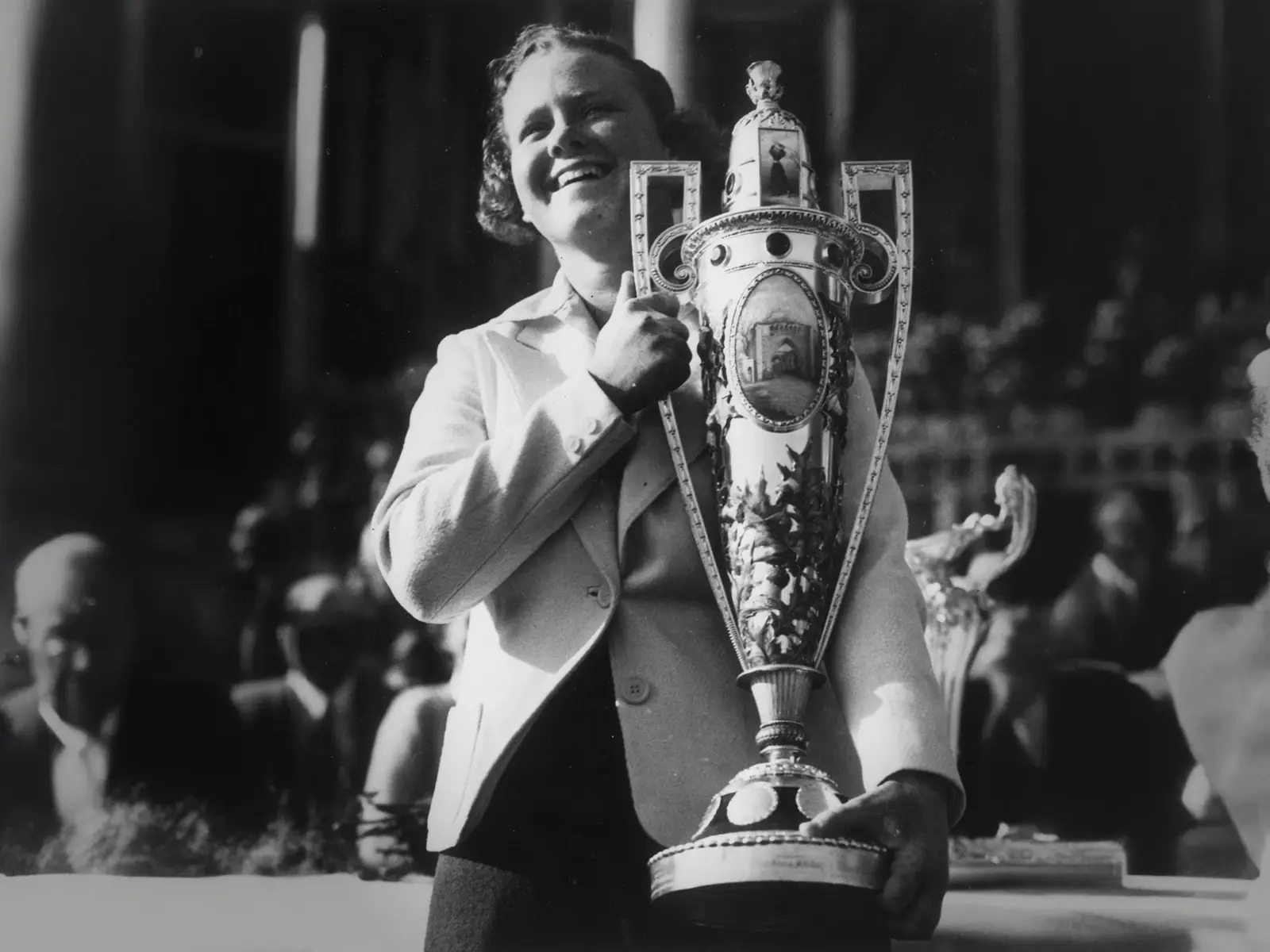
Al Clasen wins the first of his record five Minnesota Public Links titles.
Al Clasen of St. Paul captured his first Minnesota Public Links Championship in 1947, beginning a run that would ultimately produce a record five titles and establish him as one of the defining competitors of the state’s municipal-course era. Championships during this period were typically conducted through extensive match-play brackets following stroke-play qualifying rounds, with host sites rotating among leading public facilities in the Twin Cities and regional golf centers. Clasen’s victories came against large and increasingly competitive fields drawn from city leagues and daily-fee clubs, reflecting the rapid growth of public-course participation in the years following World War II. Contemporary accounts note that his steady shot-making and disciplined course management allowed him to prevail in tightly contested matches, often requiring multiple rounds in a single day. His continued success across different venues and competitive cycles demonstrated both adaptability and sustained excellence within the state’s most accessible championship structure. By the time he completed his fifth Public Links title, Clasen had set a performance benchmark that highlighted the importance of municipal golf in Minnesota’s competitive landscape. His record illustrated how public-course championships served not only as entry points for aspiring players but also as arenas where elite amateur talent could emerge and be recognized statewide.
Solomon Hughes Sr. and Ted Rhodes were barred from the 1948 St. Paul Open at Keller Golf Course because of racial exclusion in organized competition.
When Solomon Hughes Sr. and Ted Rhodes were barred from the St. Paul Open in 1948, the incident exposed the racial exclusion that still shaped organized golf despite the game’s growing popularity. Because the tournament was held at Keller Golf Course, the episode also underscored the tension between public access and discriminatory competitive practices. Their effort to enter the event became part of a longer challenge to racial barriers in Minnesota golf and on the PGA Tour.
The Minnesota Women's Public Golf Association was founded. The MWPGA formally unified under the MGA umbrella in 2016.
Patty Berg becomes the first president of the LPGA, extending Minnesota’s influence into the modern professional women’s game.
Patty Berg’s leadership role in the formation of the LPGA connected Minnesota directly to the birth of modern women’s professional golf. Already one of the game’s most accomplished competitors, she helped shape the new tour at a moment when women’s championship golf was still fighting for structure, visibility, and financial stability. Her presidency reflected not only her stature as a player, but her importance as a builder of the sport.
Sam Snead won the 1949 Western Open at Keller Golf Course in St. Paul with a dominant performance, shooting a tournament-record 20-under-par in front of large crowds. Snead credited his victory to a special putter given to him by Chicago pro Stan Kertes.
Minneapolis Golf Club hosts the U.S. Amateur, reinforcing Minnesota’s stature as a destination for major amateur championships.
Minneapolis Golf Club hosted the 1950 U.S. Amateur, bringing one of the game’s most prestigious events back to Minnesota. Sam Urzetta won the championship. The event reinforced the state’s standing as a premier host for national amateur tournaments.
The first Minnesota Evans Scholars are named, beginning a transformative educational legacy tied to golf and caddying.
In 1950, Clifford Cremers, James Lange, and Philip Swintck became the first Minnesota caddies to receive the Evans Scholarship. Their selection began a long educational tradition tied to golf and caddying in the state. The program would go on to change countless lives.
North Oaks Country Club opened with a course designed by Stanley Thompson.
Dorothy Kirby of Atlanta, Georgia, won the 1951 U.S. Women's Amateur at Town & Country Club.
Tot Heffelfinger becomes USGA president, reflecting Minnesota’s growing influence in national golf leadership.
Tot Heffelfinger became president of the USGA in 1952, giving Minnesota one of the game’s most influential national leaders. Long active in both state and national golf, he helped raise Minnesota’s profile in golf governance. His leadership extended the state’s impact far beyond its borders.
Solomon Hughes Sr. and Ted Rhodes break the color barrier at the St. Paul Open in a pivotal civil-rights milestone.
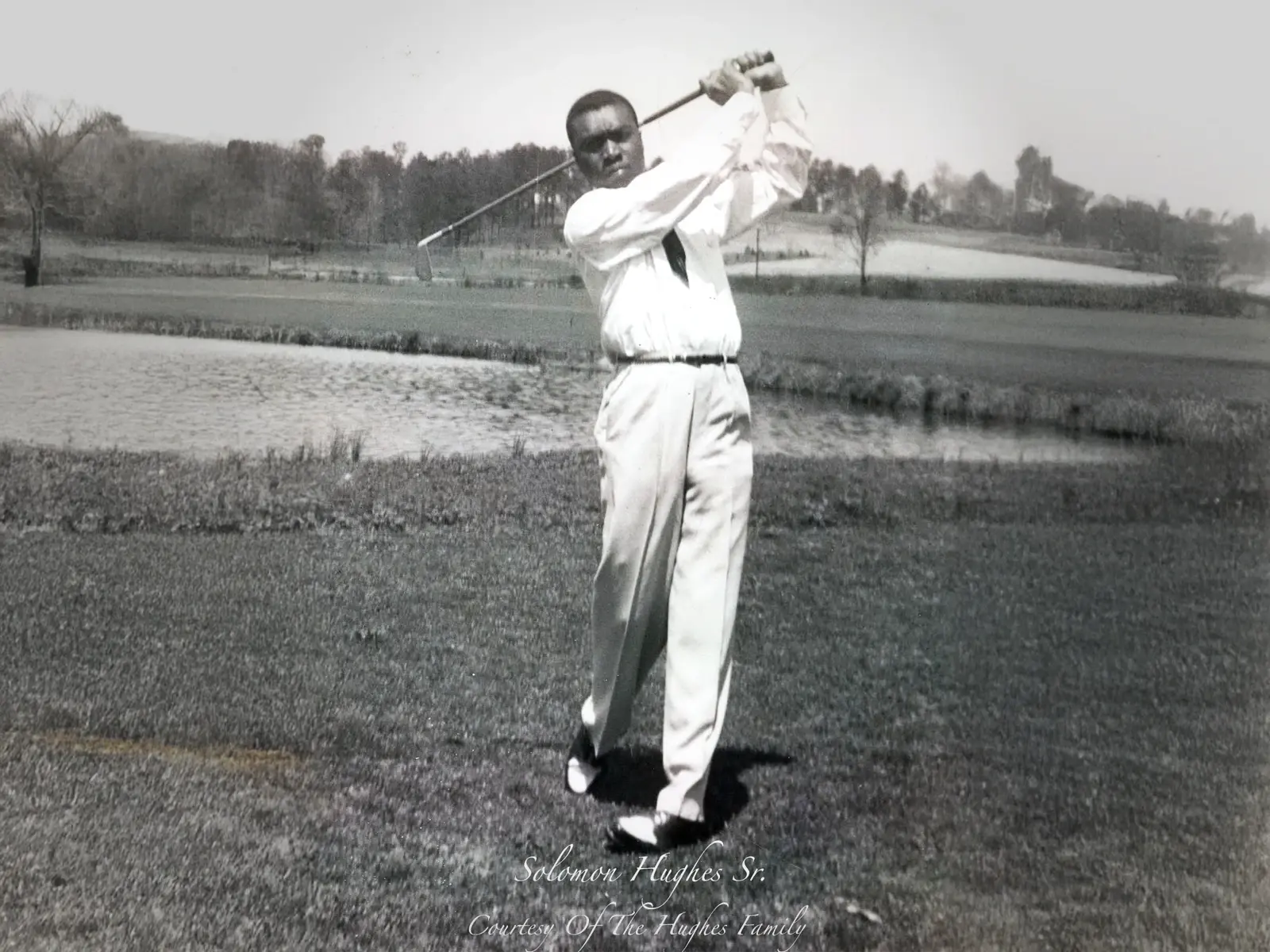
African-American golfers gain access to the Hiawatha clubhouse, marking an important step toward fuller participation in Minnesota public golf.
The integration of Hiawatha Golf Course clubhouse facilities marked an important milestone in expanding equitable access to Minnesota golf. The decision reflected broader social change while reinforcing the role of municipal facilities in developing diverse amateur talent pipelines within the state’s competitive system.
Bev Vanstrum’s early championship success in the 1950s marked the rise of one of Minnesota’s most accomplished amateur golfers.
Bev Vanstrum established herself as a prominent force in Minnesota women’s amateur golf during the early 1950s, emerging from the competitive inter-club circuit that defined championship play in the postwar era. Her performances in statewide tournaments reflected both technical consistency and match-play resilience at a time when women’s events were expanding in field size and organizational structure. Over the course of her playing career, Vanstrum captured multiple major titles in Minnesota women’s competition and became a regular contender in late rounds of the state’s premier championships. Her success coincided with a period of growing visibility for women’s golf in Minnesota, as stronger competitive networks and improved tournament administration helped elevate the prestige of events conducted under the auspices of women’s golf associations. Vanstrum’s achievements contributed to a broader transition in the competitive landscape, linking earlier generations of pioneers with the increasingly structured and statewide championship systems that developed in the latter half of the twentieth century. Her sustained presence at the top levels of amateur competition helped reinforce Minnesota’s reputation for producing accomplished women golfers and set performance standards for those who followed.
The PGA Championship returns to Keller Golf Course, confirming the public course’s standing as a premier championship venue.
The PGA Championship returned to Keller Golf Course in 1954, confirming the public course’s place among the nation’s elite championship venues. Chick Harbert of Michigan won the title. The event underscored Minnesota’s ability to host golf’s biggest stages.
Joe Garske founded Par Aide in St. Paul, beginning a company that became widely known in golf-course accessories.
Joe Garske’s founding of Par Aide in 1954 showed how Minnesota innovation could shape the game far beyond the state’s own courses. What began with a better ball-washer design developed into one of the golf industry’s most recognizable equipment and accessory companies. The company’s growth highlighted a different side of golf history in Minnesota — not only players and championships, but also practical design and business leadership that influenced course operations worldwide.
Northland Country Club hosts the U.S. Women’s Open, bringing another major championship to Minnesota’s growing national golf stage.
Northland Country Club hosted the 1956 U.S. Women’s Open, bringing another major championship to Minnesota. Kathy Cornelius of Florida won the title. The event added to the state’s growing reputation as a destination for national championship golf.
The Minikahda Club hosts the Walker Cup, adding another prestigious international amateur event to Minnesota’s championship history.
The Walker Cup came to The Minikahda Club in 1957, bringing one of amateur golf’s most prestigious international competitions to Minnesota. The United States defeated Great Britain and Ireland. Hosting the matches further elevated Minnesota’s standing in championship golf.
Brookview hosted the American Championship Women’s Open Invitational.
Brookview hosted the first two American Championship Women’s Open Invitationals in 1958 and 1959. The last two were hosted by Hiawatha in 1960 and 1961. Patty Berg won the inaugural event in 1958, and again in 1960. The tournament illustrated the widening reach of women’s tournament golf in Minnesota during the postwar era. Staging a prominent women’s event at a public‑course facility underscored both the accessibility of the game and the increasing quality of municipal venues. The tournament contributed to the state’s growing reputation as a supporter of competitive opportunities for women golfers.
Wayzata Country Club opened with a course designed by Robert Bruce Harris.
Jack Nicklaus won the Trans-Mississippi Championship at Woodhill Country Club.
Jack Nicklaus’s victory at the 1959 Trans‑Mississippi Amateur at Woodhill Country Club brought one of golf’s most promising young talents to Minnesota at a defining moment in his amateur career. Nicklaus defeated Deane Beman in the championship match before capturing the U.S. Amateur later that season. The event demonstrated Minnesota’s ability to host elite national competitions and linked the state’s golf history to figures who would later shape the professional game.
Minneapolis Golf Club hosted the PGA Championship, won by Bob Rosburg.
Hosting the PGA Championship in 1959 placed Minneapolis Golf Club in the national spotlight during a formative period in professional golf’s growth. Major championship events helped demonstrate that Minnesota venues could stage elite competitions and attract the game’s leading players. The tournament also contributed to a longer pattern of national governing bodies returning to the state for significant championships.
The Evans Scholars chapter house opens at the University of Minnesota, giving caddies a lasting home and support system.
The Evans Scholars chapter house opened at the University of Minnesota in 1960, giving caddies a lasting home and support system while pursuing a college education. The project was spearheaded by Fritz Corrigan. It marked a major step in the growth of the Evans Scholars program in Minnesota.
Gene Hansen becomes the first player in Minnesota history to win the State Amateur, State Open, and State Public Links in one season, then repeats the feat in 1962.
Gene Hansen’s 1961 season produced one of the most remarkable competitive achievements in Minnesota golf history. By winning the State Amateur, State Open, and State Public Links in the same year, he became the first and only player to sweep all three championships in a single season. What made the accomplishment even more extraordinary was that he repeated it in 1962, proving that the original sweep was not a one-year anomaly but a sustained display of statewide dominance. Winning across those three events required success against different kinds of fields and competitive pressures, from elite amateur match and stroke-play settings to the mixed amateur-professional challenge of the Open. Hansen’s back-to-back sweeps remain one of the clearest examples of complete championship control in Minnesota golf.
Hazeltine National opens in Chaska and quickly becomes Minnesota’s defining modern championship course.
When Hazeltine National Golf Club opened in 1962 in Chaska, Minnesota, it quickly set its sights on becoming a world-class championship venue. Founded by Tot Heffelfinger and designed by architect Robert Trent Jones Sr., the course was built with the ambition of hosting major tournaments and showcasing Minnesota golf on an international stage. Hazeltine National Golf Club’s dogleg fairways, strategic bunkering, and demanding greens created a formidable test for players. Within a few years of its opening, the club began attracting major competitions that brought national attention to the region. The course would eventually host numerous prestigious championships, including U.S. Opens, PGA Championships, and the Ryder Cup. Each event reinforced Hazeltine National Golf Club’s reputation as one of the premier venues in American golf. Today, Hazeltine National Golf Club remains a central figure in Minnesota’s golf story—an example of vision and dedication that transformed a newly built course into one of the most recognized championship venues in the world.
Braemar Golf Course opened in Edina as a 27-hole public golf facility.
Braemar’s opening in 1964 marked a major investment in suburban public golf at a time when participation was rising rapidly across the Twin Cities. Designed as a large municipal complex with space for instruction, leagues, and tournament play, it quickly became one of the state’s most influential public facilities. Its later history as a PGA Tour, USGA, and adaptive‑golf site confirms how important that original development was to Minnesota’s broader competition landscape.
Wayzata Country Club hosted the Women’s Western Amateur.
Wayzata Country Club’s hosting of the 1965 Women’s Western Amateur placed Minnesota once again on the national stage of elite women’s competition. Barbara Fay White of Louisiana claimed the title in a championship that drew top amateur players from across the country. The event reinforced the state’s reputation for organizational excellence and confirmed its growing role in the national rotation of major women’s amateur championships.
Hazeltine National Golf Club hosts the U.S. Women’s Open, beginning its long run as one of America’s major championship venues.
Hazeltine National Golf Club hosted the 1966 U.S. Women’s Open, beginning its long run as one of America’s major championship venues. Sandra Spuzich of Indiana won the title. The championship confirmed that Hazeltine was built for the national stage.
Joan Garvin captures multiple statewide women’s championships, beginning a career that would produce sixteen major Minnesota titles.
Joan Garvin’s championship season in 1966 marked the arrival of one of the most accomplished competitors in Minnesota women’s amateur golf. During that year she captured multiple statewide titles, including victories in both match-play and stroke-play championship formats, demonstrating unusual versatility at a time when tournament structures were becoming more sophisticated and competitive fields were expanding. Her breakthrough came against strong inter-club competition at leading championship venues such as Interlachen Country Club and Town & Country Club, courses that regularly hosted major women’s events during the period. Success in these tournaments required navigating stroke-play qualifying rounds followed by demanding match-play brackets, often contested over several days. Garvin’s ability to maintain consistent scoring while also prevailing in pressure-filled head-to-head matches quickly established her reputation as one of the state’s elite amateur players. The 1966 season proved to be the foundation of an extraordinary competitive career. Over the next decade she would accumulate a total of sixteen major statewide titles, repeatedly contending for championships at rotating host sites across Minnesota. Her sustained excellence helped define the modern era of women’s amateur golf in the state, raising performance expectations and contributing to the growing prestige of Minnesota’s women’s championship calendar.
MGA Amateur switches from match-play to stroke-play era.
MGA Amateur switches to stroke play, after almost six decades of deciding the championship with match play. Northland Country Club’s Robert Magie III becomes the first player to win via four rounds of stroke play, shooting 2-under-par 290 at Golden Valley Golf & Country Club.
Bunker Hills Golf Course opened in Coon Rapids with a design by David Gill.
The opening of Bunker Hills Golf Course added another major public facility to the Twin Cities area during a period of continued growth in municipal golf. With multiple nines and a large footprint, the course helped meet increasing demand for accessible public play while also supporting tournament activity. Its development reflected Minnesota’s sustained investment in public golf infrastructure in the postwar era.
Olympic Hills Golf Club opened in Eden Prairie with a course designed by Charles Maxwell.
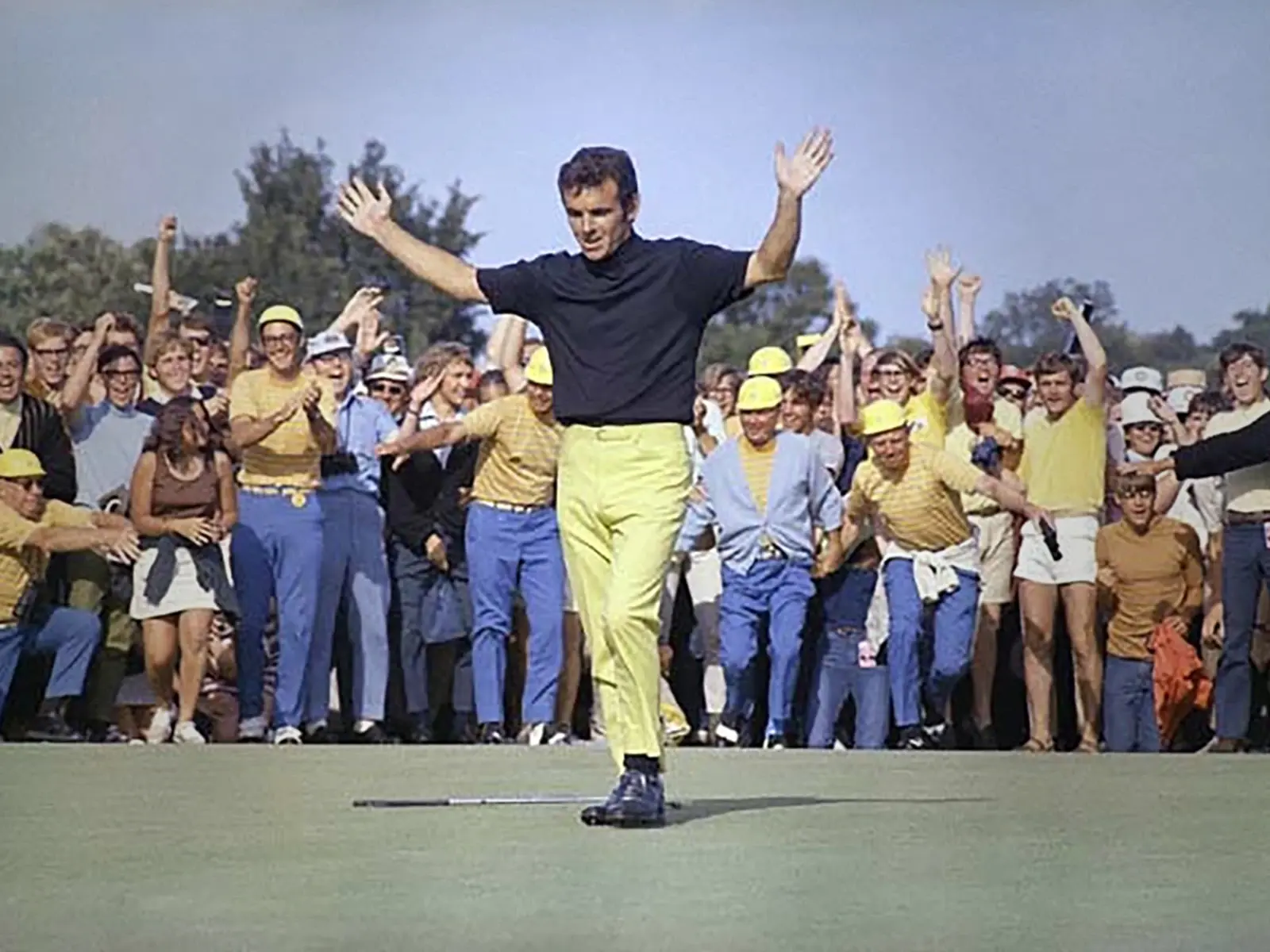
Tony Jacklin wins the 1970 U.S. Open at Hazeltine National Golf Club, placing the new course firmly on the global golf map.
Burl Oaks Golf Club opened as a 9-hole course.
Warren “Rebbie” Rebholz becomes executive director, ushering in a period of organizational modernization and expanded statewide impact.
Warren “Rebbie” Rebholz’s appointment as executive director marked the beginning of a formative era for the Minnesota Golf Association. Drawing on his experience as one of the state’s leading amateur competitors, Rebholz helped guide the organization through a period of administrative modernization and statewide expansion. During his tenure, the MGA strengthened championship administration, improved coordination with member clubs, and increased its visibility as the governing body for amateur golf in Minnesota. Participation growth, more structured competitive pathways, and stronger relationships with national golf organizations all characterized this period. Over many years in leadership, Rebholz played a central role in shaping the association’s long-term direction and reinforcing its reputation for effective stewardship of the game across both private and public facilities.
The Tapemark pro-am at Southview Country Cub is established as a modern invitational benchmark for charity golf events.
Joel Goldstrand wins the Minnesota State Open at Southview Country Club, launching a career that would include multiple statewide titles.
Joel Goldstrand, head pro at Minneapolis Golf Club, captured his first Minnesota State Open championship at Southview Country Club, following a career on the PGA Tour that included a top-12 finish at the 1970 U.S. Open at Hazeltine and a Masters appearance in 1971. Competing in the State Open’s stroke-play format against both elite amateurs and seasoned professionals, Goldstrand demonstrated the consistency and shot-making ability required to succeed in Minnesota’s premier statewide championship. He went on to win the title a second time in 1985 at Bunker Hills. Over a long professional career, Goldstrand became widely respected for his competitive achievements, his contributions to instruction and player development, and the nearly 100 golf courses he designed around the region. His induction into the Minnesota Golf Hall of Fame reflects his lasting influence on the state’s professional golf tradition.
John Harris emerges as one of Minnesota’s most accomplished amateur golfers.
John Harris emerged as one of Minnesota’s most accomplished amateur golfers in 1974, capturing the Big Ten individual golf championship while competing for the University of Minnesota and later winning the first of what would become four Minnesota State Amateur titles. His collegiate victory placed him among the top amateur players in the Midwest and helped elevate the profile of Minnesota golf within the highly competitive Big Ten Conference. Later that season, Harris translated his collegiate success to statewide competition, triumphing in the demanding match-play format of the Minnesota State Amateur at Dellwood Hills against many of the state’s strongest club players. Harris’s combination of collegiate excellence and statewide championship success signaled the arrival of a player capable of sustained dominance across multiple competitive arenas. The 1974 season marked the beginning of a distinguished amateur career defined by consistency, longevity, and adaptability. Harris would go on to win the Minnesota State Amateur three additional times and later achieve national recognition in senior amateur competition, including major USGA titles. His early victories helped illustrate the increasingly strong connection between collegiate golf and elite amateur play in Minnesota, setting a model for future generations of players transitioning from university success to statewide championship prominence.
Twin City Golf Club hosted the Central States tournament at Theodore Wirth Golf Course.
When Twin City Golf Club hosted the Central States championship at Theodore Wirth in 1975, it placed a long-standing Black golf institution on a broader regional stage. The event highlighted the club’s competitive tradition and its continuing importance as a community anchor during a period when the history of Black golf in Minnesota was receiving too little formal recognition. Hosting a multistate championship affirmed Twin City Golf Club’s place in the wider story of Upper Midwest amateur golf.
The MGA introduces a season-long points system to recognize its top men’s, senior, and junior competitors.
The creation of the Player of the Year points structure formalized recognition of season-long excellence across multiple tournaments. By rewarding consistent performance rather than single-event outcomes, the system encouraged broader participation and established a measurable pathway for identifying elite amateur competitors statewide.
Golf Digest publishes the first of Bud Chapman’s "Infamous Golf Holes" paintings, bringing national attention to Minnesota golf through a distinctive blend of art, storytelling, and course architecture.
Kathy Williams became the first girl to play in the boys state golf tournament in Minnesota.
Kathy Williams’ appearance in the boys state tournament marked a meaningful barrier-breaking moment in Minnesota scholastic golf. Her participation highlighted the strength of girls’ competitive golf at a time when opportunities and recognition were still developing unevenly. The milestone also signaled changing assumptions about who could compete on prominent championship stages.
The University of Minnesota established the Patty Berg Fund in honor of the Minnesota golf legend.
Bill Israelson wins the Minnesota State Amateur, beginning a run of three consecutive titles.
Bill Israelson’s victory in the 1976 Minnesota State Amateur began one of the most impressive championship streaks in the tournament’s modern history. The Bemidji golfer went on to win the title again in 1977 and 1978, becoming the dominant amateur player in Minnesota during that stretch. Because the State Amateur still demanded sustained excellence across a full championship week, Israelson’s run reflected not just isolated success but repeated control over the state’s strongest amateur fields. His three straight titles helped define late-1970s Minnesota golf and reinforced the State Amateur’s standing as the premier test of elite amateur skill in the state.
The U.S. Women’s Open returns to Hazeltine National Golf Club, reaffirming the club’s place in the national championship rotation.
The U.S. Women’s Open returned to Hazeltine in 1977, reaffirming the club’s place in the national championship rotation. Hollis Stacy of Savannah, Georgia, won the title, edging first-time Open participant Nancy Lopez by two strokes. The event added another major chapter to Hazeltine’s growing legacy.
The MGA team won the first MGA-PGA Cup Matches 22-18 at Edina Country Club.
Chris Perry of Edina West wins the first of his three straight AA high school titles.
Braemar Golf Course in Edina has supported adaptive golf since 1979, providing instruction and playing opportunities for golfers with physical disabilities.
Programming at Braemar Golf Course helped establish Minnesota as an early leader in adaptive golf participation. By creating structured opportunities for players with disabilities to learn, compete, and remain active in the game, Braemar helped show that adaptive golf could be a sustained part of Minnesota’s organized golf culture rather than a one-time initiative. That foundation would later support the broader growth of adaptive competition and inclusion statewide.
Dan Croonquist of North Oaks emerged as one of Minnesota’s dominant amateur competitors in the late 1970s
Dan Croonquist emerged as one of Minnesota’s dominant amateur competitors in the late 1970s, capturing consecutive Minnesota State Open titles in 1979 and 1980 while still competing as a non-professional. His victories demonstrated the continued ability of elite amateurs to challenge and defeat professional fields in statewide competition, reinforcing the Open championship’s reputation as the state’s most inclusive test of competitive excellence. Croonquist’s success during this period marked the beginning of a sustained presence in Minnesota golf, as he would later add major amateur titles, represent the state in national competitions, and remain an influential figure in the game for decades.
Jody Rosenthal of Hopkins Eisenhower wins first of her three consecutive state AA high school titles.
Kelly Varty won the MGA Women’s Amateur Championship in 1979, the first of four titles she would take at the championship, later winning three straight as Kelly Burley from 1991 to 1993.
Burley’s four championships span fourteen years and two surnames, which is part of why her record has been easy to overlook. She won in 1979 as Kelly Varty, having already come through the state’s junior ranks, then returned to take three consecutive titles from 1991 through 1993. She added Women’s Amateur Four-Ball titles alongside Laura Bleyhl in 1991 and 1992 and a Women’s Mid-Amateur in 1997, and was inducted into the Minnesota Golf Hall of Fame in 2018. Among players from 1979 onward, only Nancy Harris has won the championship more often.
Dave Tentis of White Bear Lake is named MGA Player of the Year for the first of three times between 1981 and 1984.
Hazeltine National Golf Club hosts the U.S. Senior Open, won by Billy Casper, adding another major title to Hazeltine's expanding championship resume.
Hazeltine National Golf Club’s hosting of the 1983 U.S. Senior Open further cemented the venue’s national stature and Minnesota’s reputation as a capable championship host. Billy Casper beat Rod Funseth in a 19-hole playoff.
Brackett’s Crossing reopened as a private club after originally operating as the Honeywell Recreation Center.
Chris Perry wins his second consecutive State Amateur and is named MGA Player of the Year.
Nancy Harris won the MGA Women’s Amateur Championship in 1983, beginning a run of five titles in seven years alongside three Women’s Amateur Match Play championships.
Harris put together the most sustained record in the modern era of Minnesota women’s amateur golf. She won the stroke-play championship in 1983, 1984, 1985, 1988 and 1989, and took the Women’s Amateur Match Play title in 1984, 1985 and 1990 — eight state amateur championships across eight seasons, including back-to-back sweeps of both formats in 1984 and 1985. She was inducted into the Minnesota Golf Hall of Fame in 2012.
U.S. Senior Amateur at Interlachen Country Club.
The 1986 U.S. Senior Amateur at Interlachen brought one of the USGA’s deepest age-group fields to one of Minnesota’s classic championship venues. R.S. “Bo” Williams defeated John Harbottle 3 and 2 in the final, while the championship attracted one of the largest entry totals in its history. For Minnesota, it was another example of a historic club proving it could stage a major USGA competition at the highest standard.
Liza LaBelle of Breck wins first of her three consecutive state A high school titles.
Don Kunshier helps establish Minnesota Golf Hall of Fame and Museum.
The creation of the Minnesota Golf Hall of Fame in 1987 marked a turning point in how the state preserved and interpreted its golf history. Don Kunshier’s work helped turn scattered artifacts, photographs, and personal stories into an organized historical record. The Hall of Fame gave Minnesota golf a formal institution for honoring players, administrators, and contributors whose influence extended far beyond individual championships.
Edinburgh USA opened with a design by Robert Trent Jones II.
The opening of Edinburgh USA added a high-profile public facility to the Twin Cities golf landscape and strengthened the state’s municipal golf tradition. Designed with championship ambitions in mind, the course helped demonstrate that public venues in Minnesota could combine broad access with tournament-caliber conditions. Its arrival reflected continued investment in quality public golf during a period of statewide growth.
John Harris of Edina CC is named MGA Player of the Year in 1987, the first honor in an unprecedented run of nine consecutive selections that reflected his sustained dominance in statewide amateur competition.
In 1987, John Harris was named Minnesota Golf Association Player of the Year, marking the beginning of one of the most remarkable runs of sustained excellence in the state’s amateur history. A reinstated amateur and former touring professional, Harris combined elite competitive skill with exceptional consistency, ultimately earning the award nine consecutive times from 1987 through 1995. His dominance during this period paralleled major victories in statewide championships and set the stage for his national breakthrough with a U.S. Amateur title in 1993.
Patty Berg, Les Bolstad, Gunnard Johnson and Wally Mund made up the inaugural Minnesota Golf Hall of Fame class.
The first induction class set the terms for how Minnesota would recognize its own. It placed Patty Berg, whose career carried Minnesota golf onto a national stage, alongside figures whose contributions were rooted closer to home in teaching, club professional work and administration. Establishing the Hall and naming its first class in the same year gave the state a permanent means of preserving those careers rather than leaving them to memory.
U.S. Women’s Amateur was held at The Minikahda Club.
The 1988 U.S. Women’s Amateur returned one of the game’s most prestigious women’s championships to Minnesota and added another major event to Minikahda’s national résumé. Pearl Sinn of California defeated Karen Noble in the final, part of a season in which she would claim multiple USGA titles. The championship linked Minnesota once again to a defining moment in national women’s amateur golf.
Don Berry wins the first of his seven Tapemark championships.
Tom Lehman defeats John Harris and Tim Herron for his second straight State Open title.
Jim Stuart wins his second straight U.S. Mid-Amateur, one of the state’s most impressive national amateur achievements.
Jim Stuart, son of Minnesota Golf Hall of Fame pro Everett Stuart, won his second straight U.S. Mid-Amateur in 1991, a rare and impressive national achievement. His back-to-back titles placed him among the elite mid-amateur players of his era. The wins added another major national accomplishment to Minnesota golf’s history.
Payne Stewart wins the 1991 U.S. Open at Hazeltine National Golf Club in another major moment for Minnesota championship golf.
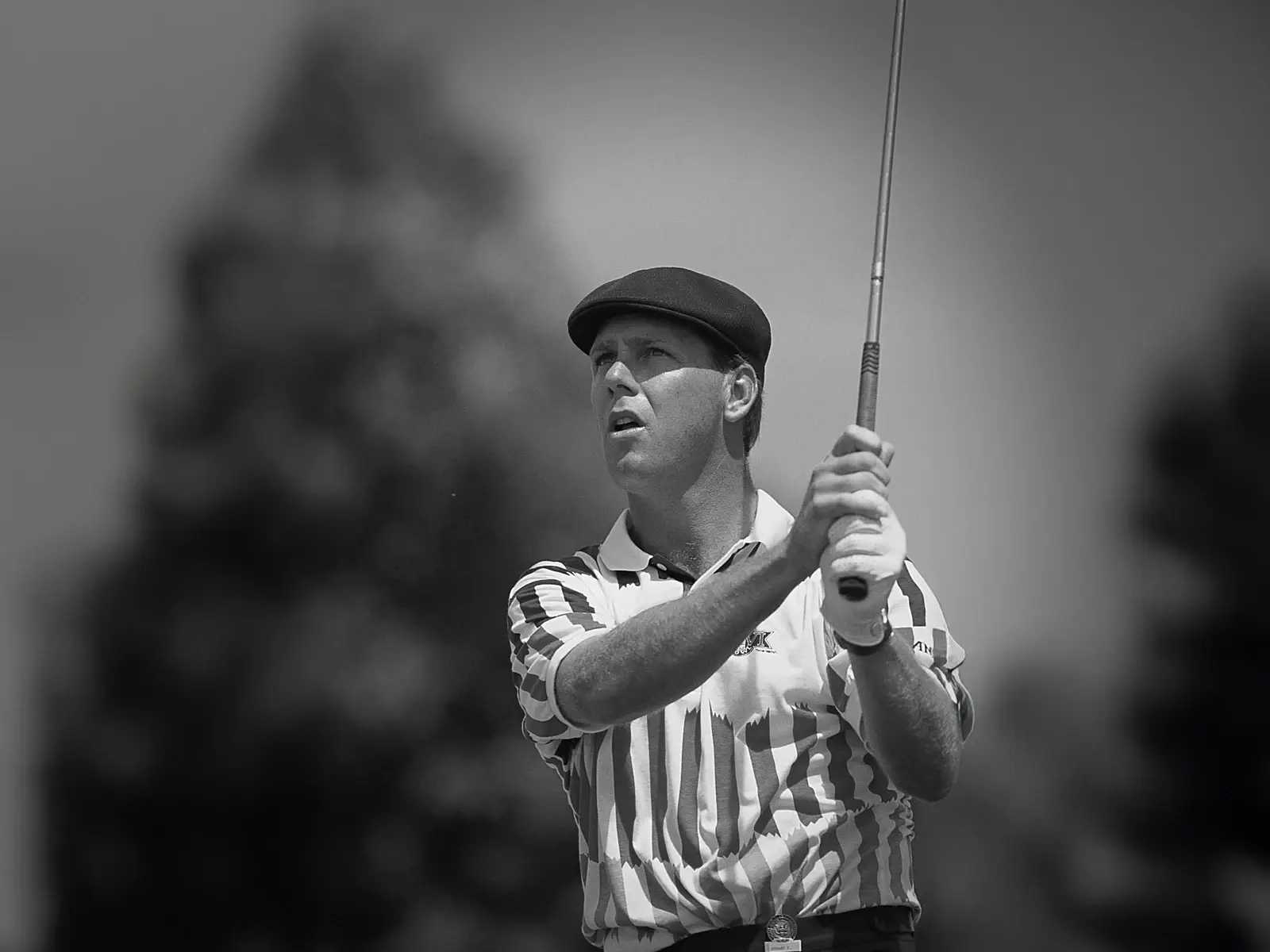
Superior National Golf Course opened at Lutsen with a design by Don Herfort.
Willingers Golf Club opened in Northfield with a design by Garrett Gill.
Tim Herron defeated John Harris to win the State Amateur, ending Harris’s streak of dominance in the championship.
Tim Herron’s victory over John Harris at Golden Valley Golf & Country Club marked a compelling generational moment in Minnesota amateur golf, matching an emerging future PGA Tour player against one of the state’s most accomplished competitors. The championship highlighted the depth of elite amateur talent in Minnesota during the early 1990s. It also underscored how state events continued to serve as a proving ground for players bound for national success.
The opening of the Braemar Golf Dome in Edina marked a significant step toward year-round golf development in Minnesota.
By the early 1990s, interest in structured winter training had increased as competitive expectations for amateur golfers continued to rise. The construction of the Braemar Golf Dome provided a large-scale indoor environment where players of all ages could maintain their skills during the off-season. Junior programs, lessons, leagues, and competitive preparation all benefited from the facility’s availability, helping strengthen Minnesota’s reputation for producing well-prepared amateur golfers despite its short outdoor playing season. Over time, the dome became an important component of the state’s broader player-development infrastructure and influenced the later growth of simulator facilities and indoor golf centers across the region.
John Harris captures the U.S. Amateur, delivering one of the greatest national victories by a Minnesota amateur.
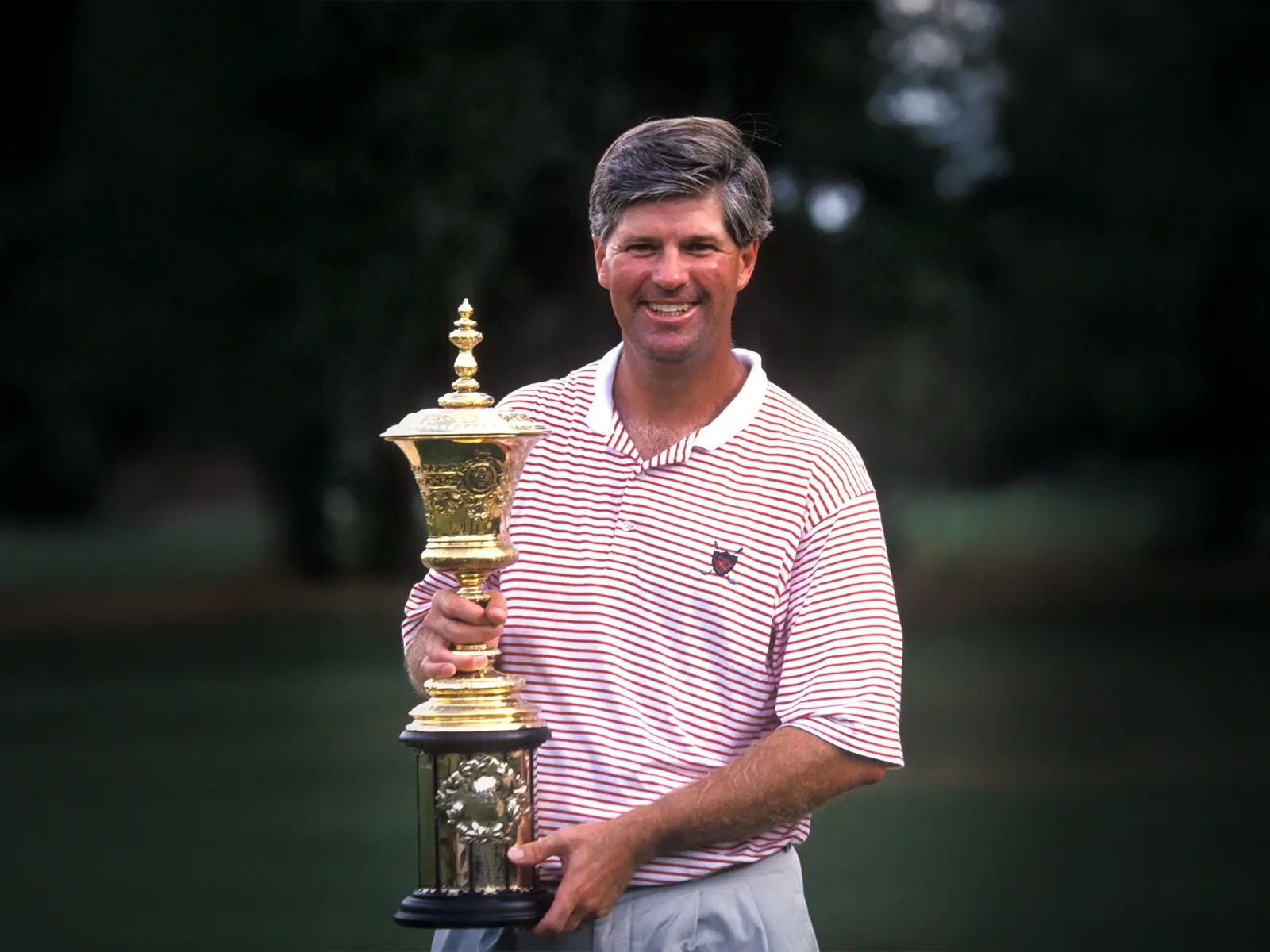
John Harris and Tim Herron help lead the United States to Walker Cup victory at Interlachen Country Club.
In 1993, John Harris and Tim Herron helped lead the United States to victory over a Great Britain and Ireland team featuring Pádraig Harrington in the Walker Cup at Interlachen Country Club. Their performance gave Minnesota a starring role in one of amateur golf’s premier international events. It was a proud home-state moment on a global stage.
Chi Chi Rodriguez won inaugural 3M Championship.
The inaugural 3M Championship gave Minnesota an immediate success story when Chi Chi Rodriguez won the debut event at Bunker Hills. Rodriguez shot a final-round 65 and secured victory by two strokes, giving the new tournament instant credibility. His win helped establish the championship as a meaningful stop on the senior circuit and laid the foundation for one of Minnesota’s most enduring professional events.
Nancy Blanchard won sixth Women’s State Amateur and first MGA Female Player of the Year.
Nancy Blanchard’s 1994 season represented the height of one of the most accomplished amateur careers in Minnesota women’s golf. Her sixth Women’s State Amateur victory demonstrated sustained championship-level performance across multiple competitive eras, while earning MGA Female Player of the Year honors confirmed her consistency throughout the statewide tournament schedule. The achievement further strengthened Minnesota’s reputation for producing nationally competitive female amateurs.
Leigh Klasse of Meadowbrook GC won first of four Player of the Year awards.
Leigh Klasse’s first Player of the Year title marked the beginning of a dominant period in Minnesota women’s amateur competition. Known for steady scoring and success across varied tournament formats, she would go on to accumulate multiple statewide honors, establishing herself as one of the most reliable performers on the MGA schedule and helping define the competitive standard for the decade.
Somerset Country Club hosted the U.S. Senior Women’s Amateur, won by Jean Smith of Idaho.
The U.S. Senior Women’s Amateur at Somerset Country Club highlights Minnesota’s role in supporting national championship golf across multiple competitive divisions. By hosting an event for senior competitors, Somerset helped reinforce the importance of lifelong participation in the amateur game. The championship also broadened Minnesota’s national reputation beyond its better-known men’s major venues.
The Wilds Golf Club opened in Lakeville with a design by Tom Weiskopf and Jay Morrish.
Tom Lehman wins The Open Championship, becoming one of Minnesota’s most accomplished players on the global stage.

Tim Herron won the Honda Classic in Palm Beach, Florida, for his first PGA Tour victory.
Tim Herron’s PGA Tour victory underscored the progression of Minnesota-developed players into the professional ranks during the 1990s. Success on the national stage reinforced the state’s reputation as a strong training ground for competitive golfers and helped inspire younger players pursuing collegiate and professional ambitions. Herron’s win also extended a visible Minnesota presence within the modern tour era.
Rush Creek Golf Club opened in Maple Grove with a design by John Fought and Bob Cupp.
Alissa Herron won the MGA Women’s Amateur Championship in 1996 and successfully defended it in 1997 and 1998, one of the few three-year runs in the championship’s history.
Herron’s three consecutive championships from 1996 through 1998 bracketed a period in which she was the dominant amateur in the state, and she also took Women’s Amateur Match Play titles in 1994 and 2000. The run set up the national breakthrough that followed: she won the U.S. Women’s Mid-Amateur in 1999, at Cherokee Town & Country Club in Atlanta.
John Harris, Joe Stansberry, and Terry O’Loughlin win the USGA State Team championship at SunRidge Canyon in Fountain Hills, Arizona.
The MGA Women’s Mid-Amateur debuted as a new state championship for mid-amateur players.
The introduction of the Women’s Mid-Amateur created a competitive platform tailored to players balancing elite golf with careers, families, and other responsibilities. The new championship recognized evolving participation patterns and expanded the MGA’s ability to offer meaningful competition across different stages of a golfer’s life. It marked an important step in strengthening the women’s championship structure in Minnesota.
Development of championship courses at Giants Ridge, designed by Jeffrey Brauer, enhances Minnesota’s reputation as a destination for resort golf.
Hilary Lunke (then competing as Hilary Homeyer) earns her first MGA Female Player of the Year honor.
The Classic at Madden’s Resort opened with a design by superintendent Scott Hoffman.
The Arthur Hill designed Chaska Town Course Opens.
Dayton’s Challenge brings Nicklaus, Palmer, and Player to Minneapolis Golf Club.
Dayton’s Challenge reached its highest-profile moment in 1998, when Jack Nicklaus, Arnold Palmer, and Gary Player appeared together at Minneapolis Golf Club. By that stage the exhibition had become one of Minnesota’s most visible charity golf gatherings, blending major‑champion prestige with philanthropic purpose. Its success demonstrated how Minnesota clubs could leverage the sport’s biggest personalities to generate broad public interest while supporting community causes through golf.
U.S. won Curtis Cup at The Minikahda Club.
The 1998 Curtis Cup at Minikahda placed Minnesota at the center of one of women’s amateur golf’s most important international team events. The United States defeated Great Britain and Ireland 10–8 to earn its first victory in the matches since 1982. Hosting the competition reinforced Minnesota’s reputation as a trusted venue for elite amateur championships and extended Minikahda’s long association with major national events.
Cragun’s Legacy Courses open.
Julie Sprau became the first female executive director of the MGA.
John Harris, George Shortridge and Joel Goldstrand were inducted into the Minnesota Golf Hall of Fame.
Between them the 1998 inductees accounted for one of the deepest competitive records of any Hall of Fame class. John Harris had won the U.S. Amateur five years earlier, the high point of a Minnesota amateur career; George Shortridge and Joel Goldstrand brought long records in state competition and, in Goldstrand's case, in course design across the region. The class marked the point at which the Hall began recognising the generation that had carried Minnesota golf through the postwar decades.
Alissa Herron wins the U.S. Mid-Amateur, adding a major national title to Minnesota’s women’s golf legacy.
Alissa Herron of Wayzata Country Club won the U.S. Women’s Mid-Amateur in 1999 at Cherokee Town & Country Club in Atlanta, Georgia, adding a major national title to Minnesota’s women’s golf tradition. Her victory placed her among the state’s most accomplished amateur players. It also underscored the continued strength of Minnesota women’s golf on the national stage.
John Harris won his fifth MGA Mid-Amateur title at St. Cloud Country Club, edging Mark Boettcher by one stroke.
John Harris won his fifth MGA Mid-Amateur title at St. Cloud Country Club, edging Mark Boettcher by one stroke. The win extended Harris’s record in the championship and added to one of the most accomplished amateur careers in Minnesota history.
Spring Hill Golf Club, architect Tom Fazio's only Minnesota course, adds to elite contemporary Minnesota design.
The Arnold Palmer-designed Deacon’s Lodge at Breezy Point Resort elevates Minnesota’s profile as a premier golf-travel destination.
Claudia Pilot of Austin CC wins the first of her six State Amateurs and is named MGA Female Player of the Year for the first of seven times.
Claudia Pilot of Austin CC wins the first of her six State Amateurs and is named MGA Female Player of the Year for the first of seven times.
At age 48, John Harris won another State Amateur at Bearpath Golf & Country Club.
John Harris’s victory at Bearpath Golf & Country Club added a fourth State Amateur title to an already distinguished résumé that included national amateur championships and Walker Cup experience. Winning at age 48 underscored both his longevity and strategic mastery in match play. The triumph reinforced his status as one of the most influential amateur golfers in Minnesota history.
Opening of TPC Twin Cities, designed by golf legend Arnold Palmer with Tom Lehman, establishes a new championship‑caliber facility designed to host elite professional competition.
Dacotah Ridge Golf Club, the only Rees Jones design in Minnesota, opened in Morton.
Stoneridge Golf Club, designed by Bobby Weed, opened in Stillwater.
Tom Lehman was the sole inductee in the Minnesota Golf Hall of Fame class of 2000.
New Evans Scholars house project advances.
The advancement of the new Evans Scholars house project in 2001 underscored the deep connection between Minnesota golf and educational opportunity for caddies. Rooted in the legacy of Chick Evans and the early development of the scholarship program at Minikahda, the new chapter house represented both continuity and expansion of that mission within the state’s golf community.
Reed Mackenzie becomes USGA president, giving Minnesota another influential voice at the highest level of the game.
Reed Mackenzie became president of the USGA in 2002, giving Minnesota another influential voice at the highest level of the game. A former MGA president, he represented the state in national golf leadership. His appointment reflected Minnesota’s enduring role in golf governance.
The United States wins the Solheim Cup at Interlachen Country Club as Minnesota hosts one of women’s golf’s premier team events.
Interlachen Country Club hosted the 2002 Solheim Cup, bringing one of women’s golf’s premier international team events to Minnesota. The United States defeated Europe 15 1/2 to 12 1/2. The competition showcased Minnesota on one of the sport’s biggest global stages.
PGA Championship at Hazeltine National Golf Club.
Hazeltine National Golf Club once again welcomed the global golf spotlight when it hosted the 2002 PGA Championship. The tournament featured an elite field of professional golfers competing on one of the most challenging courses in the United States. Rich Beem ultimately captured the championship, holding off Tiger Woods in a dramatic final round that kept spectators on edge until the final hole. The event drew fans from across the country and further reinforced Hazeltine National Golf Club’s reputation as a premier venue for major championships. The course’s challenging design and championship atmosphere provided a fitting stage for one of golf’s biggest events. The 2002 PGA Championship became another memorable moment in Minnesota golf history and continued the tradition of major tournaments being played in the state.
MGA executive director Tom Ryan leads advocacy and youth growth.
Tom Ryan’s leadership during the COVID-19 pandemic reflected a career-long commitment to strengthening amateur golf in Minnesota. Serving as Minnesota Golf Association executive director at the time, he worked closely with state legislators, public-health officials, and industry partners to help ensure that golf courses could remain open under evolving safety protocols. Maintaining access to outdoor recreation proved vital for both facilities and players, contributing to a surge in participation that reshaped the state’s golf landscape in the early 2020s. Ryan’s influence extended well beyond this moment. From 2002 through 2023 he served a 21-year tenure as MGA executive director, guiding the organization through a period of significant modernization, expanded championship administration, and increased statewide engagement. During these years he played an important role in strengthening relationships between private clubs, public courses, and governing bodies, helping position the MGA as a central advocate for the game. His support of Youth on Course Minnesota was particularly impactful, as the program’s rapid growth during and after the pandemic reflected both increased demand and the effectiveness of coordinated outreach and partnership efforts. In addition to his administrative accomplishments, Ryan was widely respected within Minnesota golf as a skilled and enthusiastic player whose presence on the course reinforced the association’s community-oriented culture. His combination of competitive passion, organizational leadership, and public advocacy left a lasting imprint on the development of amateur golf in the state, linking the MGA’s historic mission with the evolving needs of a new generation of players.
Hilary Lunke captures the U.S. Women’s Open, giving Minnesota one of its most significant modern major-championship victories.
Hilary Lunke’s victory in the 2003 U.S. Women’s Open at Pumpkin Ridge in North Plains, Oregon, placed a Minnesota golfer at the center of one of the game’s biggest championships. Her win connected the state’s amateur development tradition to success on the modern major stage and gave Minnesota another defining national moment in women’s golf. The achievement also underscored the strength of the state’s competitive pathways for players advancing from local and collegiate golf to the highest level.
Windsong Farm Golf Club, designed by John Fought and Tom Lehman, opened in Independence, Minnesota, establishing another championship golf venue in the state.
Austin Eaton III wins U.S. Mid-Amateur.
Austin Eaton III won the 2004 U.S. Mid-Amateur Championship at Sea Island Golf Club in Georgia, earning one of amateur golf’s most prestigious titles. The victory also secured him an invitation to the 2005 Masters. Beyond his success on the national stage, Eaton has remained connected to the game in Minnesota, joining the MGA Board of Directors in 2017—continuing a long-standing tradition of champions who give back to help guide and grow the game across the state.
U.S. Amateur Public Links at Rush Creek.
Rush Creek’s hosting of the 2004 U.S. Amateur Public Links illustrated how far Minnesota public golf had advanced since the early municipal era. Ryan Moore of UNLV won the championship during one of the most celebrated amateur seasons of the modern era, during which he also won the U.S. Amateur, the Western Amateur and the NCAA individual championship.. For Minnesota, the tournament confirmed that a contemporary daily‑fee course could stand alongside historic municipal venues in the state’s long public‑links tradition.
Somerby Golf Club, designed by John Fought and Tom Lehman, opened in Byron.
The Wilderness at Fortune Bay, designed by Jeffrey Brauer, opened in Tower.
The Jewel Golf Club opened in Lake City with a design by Hale Irwin.
Joe Stansberry of Hiawatha GC wins his second State Amateur title and third MGA Player of the Year award.
Minnesota once again became the focal point of elite amateur competition in the United States.
When Richie Ramsay of Scotland won the U.S. Amateur Championship at Hazeltine National Golf Club in August 2006, Minnesota once again became the focal point of elite amateur competition in the United States. The championship returned one of the game’s most historic events to a course already known for staging major championships, including the U.S. Open and PGA Championship.
Katie Detlefsen of Minnehaha Academy won her fourth straight Class A title.
U.S. Women’s Open at Interlachen Country Club.
Interlachen Country Club hosted the 63rd U.S. Women’s Open in July 2008, bringing one of the game’s most prestigious championships to Minnesota for the first time in nearly four decades. The historic Donald Ross design was prepared to championship standards, with firm greens and penal rough creating one of the sternest tests in modern Women’s Open history. South Korea’s Inbee Park won with a 9-under-par score of 283, four shots clear of runner-up Helen Alfredsson of Sweden. The tournament also drew strong galleries and national media attention, highlighting Minnesota’s ability to stage elite women’s championships at historic venues.
Trent Peterson of Valleywood wins the State Amateur at Windsong Farm and is named MGA Player of the Year for the first of three times
Y.E. Yang edged out Tiger Woods at the PGA Championship at Hazeltine National Golf Club.
The 2009 PGA Championship at Hazeltine National Golf Club produced one of the most dramatic moments in modern major-championship history when South Korea’s Y.E. Yang overtook Tiger Woods during the final round to claim victory. Entering Sunday trailing Woods — who had never previously lost a major when holding the 54-hole lead — Yang mounted a steady and fearless charge on Hazeltine’s demanding layout. His decisive moment came at the par-4 14th hole, where he chipped in for eagle, shifting momentum in front of a national television audience. Yang went on to secure a three-stroke victory, becoming the first Asian-born male golfer to win a men’s major championship. The upset resonated far beyond Minnesota, symbolizing the increasingly global reach of elite professional golf while also enhancing Hazeltine’s reputation as a venue capable of producing unforgettable championship drama. For Minnesota golf fans, the tournament represented a rare opportunity to witness a defining moment in the sport’s modern era, reinforcing the state’s longstanding role as host to events of national and international significance.
A Twin Cities-based women’s golf group creates new opportunities for participation, mentorship and community.
Founded in 2009 by Martha Arradondo, Black Women on Course created new visibility and community support for underrepresented golfers in Minnesota. Through organized playing opportunities and advocacy, the initiative contributed to broader participation pathways and reinforced ongoing efforts to expand access within the state’s amateur system.
Olivia Herrick of Dellwood CC sweeps the MWGA and MWPGA State Amateurs and is named MGA Female Player of the Year for the first of seven times.
Olivia Herrick’s 2010 campaign established her as the leading force in Minnesota women’s amateur golf. Successfully defending her State Amateur title while also capturing the Women’s Public Links championship demonstrated her ability to win across differing competitive formats and course setups. The sweep marked a defining season in a career that would include multiple statewide titles and long-term influence on the women’s amateur circuit.
Sammy Schmitz of Valleywood is named MGA Player of the Year for the first of six times.
Sarah Burnham of Rush Creek sweeps the MWGA and MWPGA State Amateurs and is named MGA Female Player of the Year for the first of three times.
Sarah Burnham’s breakthrough season combined championship success with consistent elite performance throughout the MGA schedule. Her Women’s State Amateur victory, along with additional statewide titles and recognition as both Women’s and Junior Player of the Year, signaled the emergence of a nationally competitive Minnesota amateur prepared for success at the collegiate and USGA levels.
Annika Intercollegiate debuts at Royal Club.
Sammy Schmitz wins U.S. Mid-Amateur.
Sammy Schmitz won the 2015 U.S. Mid-Amateur, earning a national title and a place in the 2016 Masters. The victory added another distinguished accomplishment to Minnesota’s amateur golf tradition. Schmitz’s win confirmed the state’s continued strength in elite amateur competition.
Kate Smith of Detroit Lakes wins her fifth straight AA high school title.
U.S. wins Ryder Cup at Hazeltine National Golf Club.
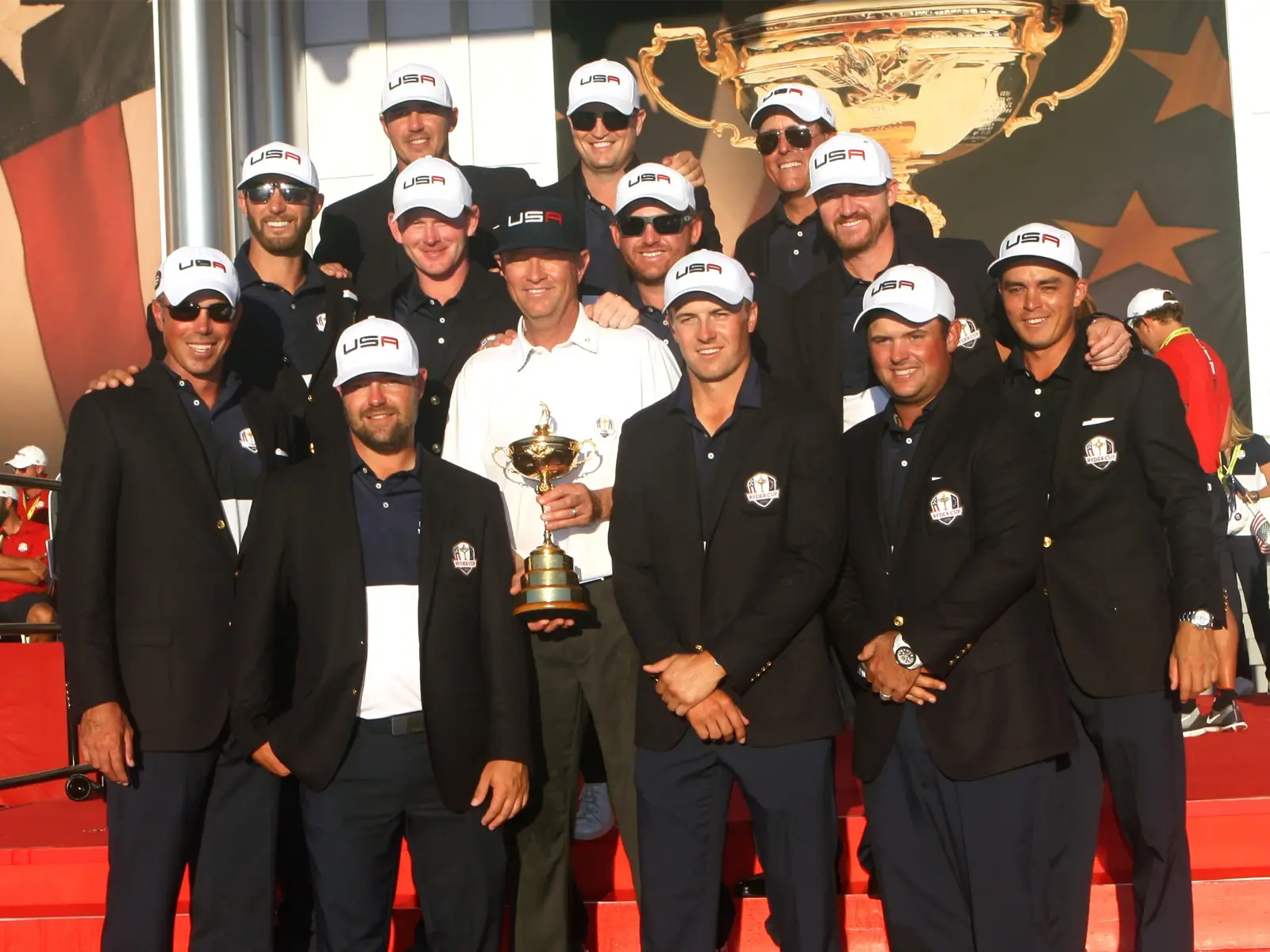
The Minnesota Women’s Golf Association and Minnesota Women's Public Golf Association merged with the MGA.
In 2016, the Minnesota Women’s Golf Association (MWGA) and Minnesota Women's Public Golf Association (MWPGA) merged with the Minnesota Golf Association (MGA) to create a more unified structure with the state’s women’s golf organizations. The transition reflected years of growth in women’s competition and governance. It marked an important step toward a more integrated future for the game in Minnesota.
Max Tylke of the Links at Northfork won his first of three Minnesota Public Links titles at Loggers Trail Golf Course.
Barb Hanson became the MGA's first female president.
Leigh Klasse completed six consecutive MGA Women's Senior Amateur Match Play Championships, winning every year from 2012 through 2017.
Six straight titles in a match play championship is a different kind of achievement from a run of stroke play victories, requiring a player to win a week of individual matches year after year against a changing field. Klasse's streak stands among the most sustained runs of dominance in MGA women's competition, and she added a seventh title in the championship in 2023.
Sophia Yoemans of Red Wing won her third state high school championship.
Sophia Yoemans’s third straight state title confirmed her position among the most accomplished scholastic players of her generation. Known for low scoring and tournament composure, her dominance at the high-school level translated into national junior opportunities and reflected the increasing visibility of Minnesota golfers in elite youth competitions.
KPMG Women’s PGA Championship at Hazeltine National Golf Club.
Hazeltine hosted the 2019 KPMG Women’s PGA Championship, adding another major to its long championship record. Hannah Green won the title, her first major victory. The event reinforced Hazeltine’s place among the game’s premier tournament sites.
Braemar Golf Course reopened after a Richard Mandell redesign converted the facility from 27 holes to a rebuilt 18-hole public course.
Matthew Wolff won 3M Open.
The 3M Open at the TPC Twin Cities course in Blaine brought Minnesota back into the regular PGA Tour rotation under a new event structure. Wolff’s victory gave the championship an immediate place in modern professional golf history, while the tournament itself reinforced the state’s ability to support contemporary tour-level events. The 3M Open also extended the Twin Cities’ long relationship with nationally visible professional competition.
During the COVID-19 era, golf organizations in Minnesota advocated to keep courses open for play under health restrictions.
During the COVID-19 pandemic, Minnesota golf organizations worked with state leaders to keep courses operating under public-health restrictions. Their advocacy helped preserve access to one of the few recreational activities that could continue with distancing measures in place. The effort played an important role in shaping the state’s golf experience during 2020 and helped set the stage for the broader participation surge that followed.
Youth on Course Minnesota sees rapid growth.
During the early 2020s, junior participation emerged as one of the most important structural developments in Minnesota amateur golf. Efforts to reduce financial barriers and broaden public-course access contributed to substantial growth in Youth on Course Minnesota membership, eventually making it the second-largest program in the country. This surge reflected both national participation trends and deliberate statewide investment in youth development. Increased junior play strengthened future competitive depth, supported facility utilization, and encouraged collaboration among governing bodies, public operators, and community organizations. By mid-decade, youth access initiatives were widely recognized as central to shaping the next generation of Minnesota golfers and sustaining the game’s long-term vitality.
Kate Smith and Taylor Ledwein share MGA Female Player of the Year honors.
The clubhouse at Hiawatha Golf Course was named for Solomon Hughes Sr.
In 2022, the clubhouse at Hiawatha Golf Course was officially named in honor of Solomon Hughes Sr., recognizing his role as a pioneer for racial inclusion in Minnesota golf. Hughes was among the first Black golfers to break competitive barriers in the state, most notably through his participation in the 1952 St. Paul Open. The dedication serves as a lasting tribute to his impact on both the game and the broader community.
Caleb VanArragon of Bunker Hills won the State Amateur and State Open.
Kathryn VanArragon of Youth on Course Minnesota won second State Amateur and MGA Female Player of the Year.
Jasi (Acharya) Somrock won her fifth consecutive MGA Women's Mid-Amateur Championship, a run beginning in 2019.
Somrock, who won all five titles under her maiden name of Acharya, held the Women's Mid-Amateur for five straight years and became the defining figure in the championship's modern era. The streak carried through the disrupted 2020 season and established a standard of consistency in a field made up of players competing around careers and families.
The 2023 Hall of Fame class included Solomon Hughes and Eleanor Lightner, alongside David Nordeen, Don Herfort, Ed Manderville, Jeffrey Sorenson, Jerry Gruidl, John Steiner and Johnny Lakotas.
The 2023 class reached back across the full span of Minnesota golf history. Eleanor Lightner won the first Women's State Amateur in 1915; Solomon Hughes was among the Black professionals barred from PGA membership during the era of the association's whites-only clause, and played much of his career outside the tournaments his game merited. Honouring them alongside contemporary contributors reflected a widening view of whose careers belong in the state's official record.
Hazeltine National Golf Club once again welcomed the nation’s best amateur golfers.
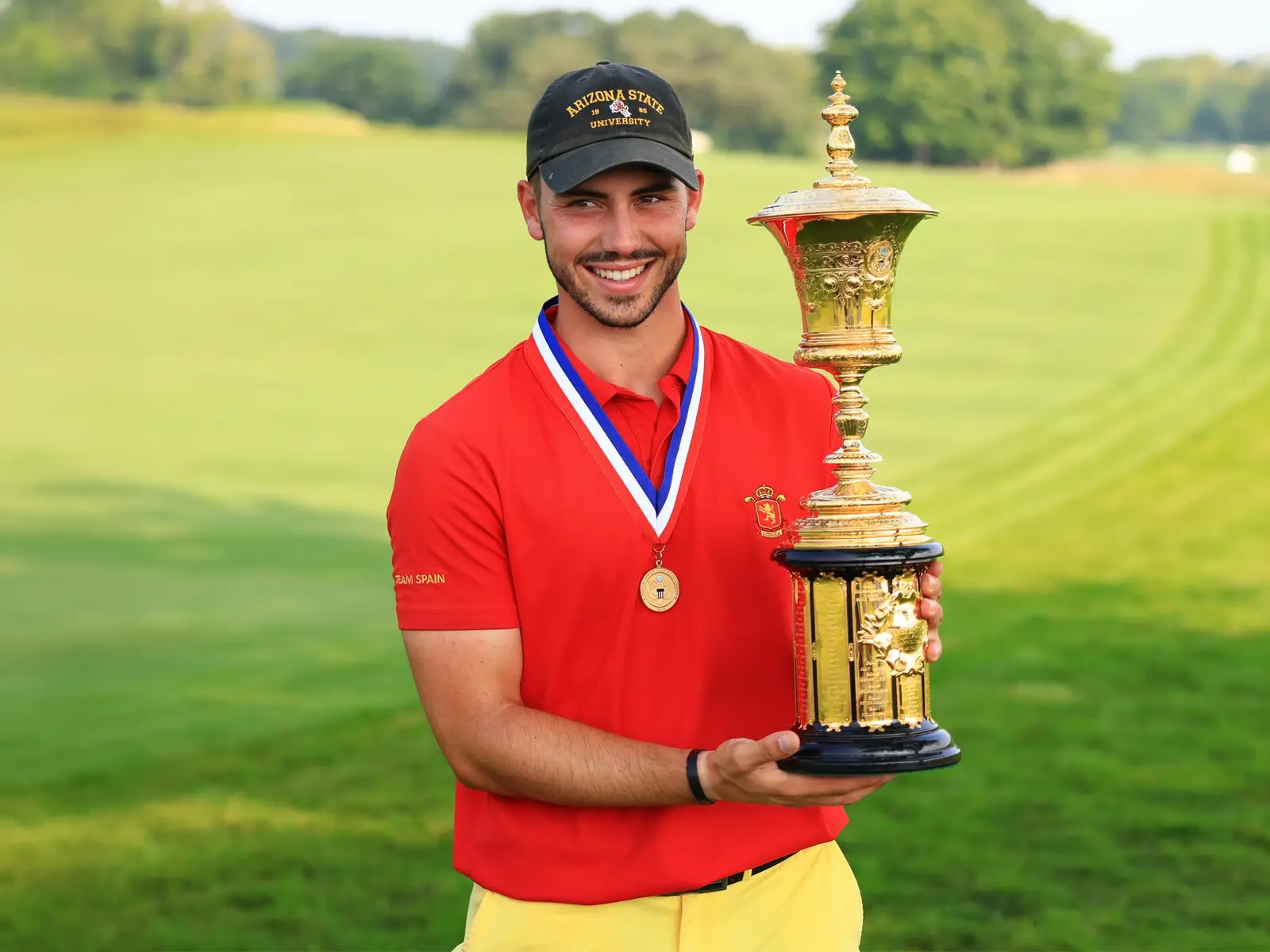
Eddie Manderville chalet naming at Theodore Wirth.
The naming of the chalet at Theodore Wirth Golf Course honors Eddie Manderville’s role in advancing access to public golf in Minneapolis. Manderville’s influence extended well beyond his own competitive accomplishments, shaping opportunities for future generations through leadership and advocacy. The recognition reflects a broader effort to acknowledge those whose work helped make the game more inclusive in Minnesota.
Windsong Farm Golf Club opened its second course with a design by Tom Lehman and John Fought.
The inaugural Minnesota Adaptive Open was held at Braemar Golf Course.
The Minnesota Adaptive Open reflects a growing commitment to competitive opportunities for golfers of all abilities. By establishing a dedicated championship structure, the event aligns Minnesota with a broader movement to expand visibility and access in adaptive golf. The championship also reinforces the MGA’s mission to ensure that organized competition reflects the full range of participants in the game.
Creation of Team Minnesota establishes a new pathway for developing top amateur talent in alignment with the USGA’s U.S. National Development Program.
The introduction of Team Minnesota formalized a statewide high-performance initiative aligned with the USGA National Development Program framework. By identifying elite junior and amateur talent and providing structured competitive support, the program signaled a strategic commitment to national-level player advancement.
Trent Peterson won the MGA Amateur Four-Ball Championship along with three MPGA championships — the Public Links, Mid-Public Links and Combination titles.
The MGA celebrates its 125th anniversary, reflecting on a legacy of championships, access initiatives, and stewardship of the amateur game.
Jesse Bull, 51, outlasted 21-year-old Jack Holtz in 20 holes at Olympic Hills Golf Club to become the oldest champion since the MGA Players’ Championship began in 1979.
Haeran Ryu won her first major title as Hazeltine National Golf Club hosted the KPMG Women’s PGA Championship for the second time.
Hazeltine welcomed the KPMG Women’s PGA Championship back seven years after first hosting it, and the week produced a finish without modern precedent. Ryu opened with a 73 that left her 10 shots off the lead in a share of 70th place, then answered with an 8-under 64 and a 4-under 68 to take the 54-hole lead. Her closing 2-under 70 held off fellow Korean Ina Yoon by two strokes at 11-under. In doing so she became the first player, man or woman, to erase a 10-stroke opening-round deficit at a major since Carol Mann at the 1964 Women’s Western Open. The championship also carried a $13 million purse, the largest in the history of women’s golf.
Kathryn VanArragon won the MGA Women’s Amateur Championship at Bearpath Golf and Country Club for her third title, following wins in 2019 and 2023.
J.T. Johnson won his sixth MPGA Senior Public Links Championship at Cannon Golf Club, the most in the event’s 88-year history.